Lizards aren’t exactly known for being chatty. Most people assume they’re completely silent animals — and for a lot of species, that’s actually true.
But here’s the thing: some lizards are surprisingly vocal. And if yours has started making noises you weren’t expecting, it can be a little alarming if you don’t know what you’re listening to.
I’ve kept reptiles for years, and the first time my leopard gecko started clicking at me mid-handling, I genuinely didn’t know what was happening. Was it a problem? Was it normal? I had no idea.
That’s exactly why I put this guide together.
You’ll learn which lizards actually make sounds, what each noise means, why some lizards get louder at night, and most importantly — how to respond correctly when your lizard is trying to communicate with you.
Let’s get into it.

Table of Contents
Do All Lizards Make Sounds?
No — and this surprises a lot of people.
Out of the roughly 7,000 known lizard species in the world, the vast majority are completely silent. They rely on visual communication — head bobs, color changes, dewlap displays — rather than vocalizations.
The lizards that do make sounds tend to fall into a few specific groups, most notably geckos, some monitors, iguanas, and chameleons under stress. Even within those groups, how vocal a lizard is can vary a lot between individual animals.
So if you have a blue tongue skink or a pet lizard that’s been completely silent its whole life, that’s entirely normal. Some lizards simply don’t vocalize.
For the ones that do, though, here’s exactly what those sounds mean.
Lizard Sounds By Species
The sounds a lizard makes — and what they mean — can be very different depending on the species. Let’s break it down.
Gecko Sounds
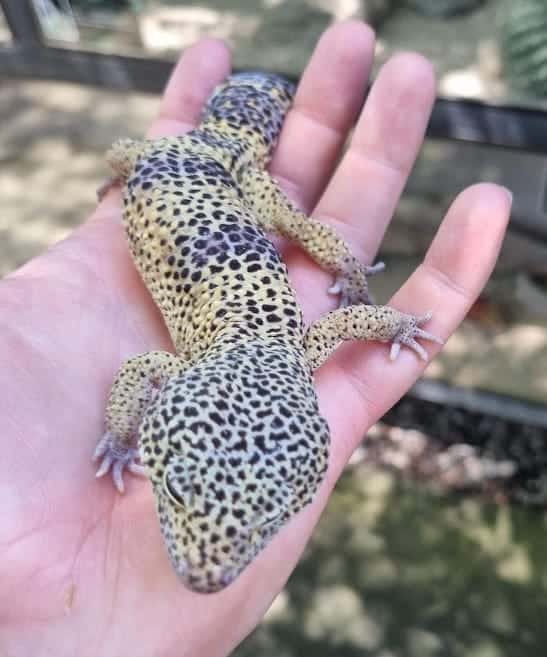
Geckos are by far the most vocal lizards you’re likely to keep as a pet. Leopard geckos, crested geckos, tokay geckos, and day geckos all vocalize regularly — and they have quite a range.

Chirping
Chirping is the most common gecko sound, and it’s a good one. It’s a high-pitched, bird-like noise that typically means your gecko is content, comfortable, or communicating with another animal nearby.
You’ll often hear it right after feeding, when they spot something interesting, or when a young gecko is still figuring out the world. It’s their version of saying everything is fine.
Clicking
Clicking is the sound that threw me off the first time I heard it, and it’s one of the most common questions I get from new gecko owners.
A clicking sound from your gecko means they’re stressed, annoyed, or just not in the mood. It’s a low, repetitive vibration that often gets louder the more agitated they become.
Common triggers include:
- Being handled when they don’t want to be
- Another animal being introduced to their enclosure
- Feeling cornered or startled
- Territorial behavior at feeding time
When you hear clicking, the right move is to stop what you’re doing, give them space, and let them settle. Pushing through it damages trust and can make handling much harder long-term. If you want to learn more about building a good relationship with your gecko, our guide on whether leopard geckos like to be held covers this in detail.
Barking
Barking is the escalation of clicking. If your gecko feels genuinely threatened — not just mildly annoyed — they’ll let out a sharp, sudden bark. This is usually paired with a defensive posture: legs stiff, body upright, mouth slightly open.
Tokay geckos are particularly well-known for this. They’re one of the more aggressive pet gecko species, and a tokay bark is unmistakable — loud and surprisingly startling the first time you hear it.
If your gecko is barking at you, back off completely. Give them time. The relationship can be repaired with patient, consistent handling sessions — but only once they’ve calmed down. And if you’re ever worried about getting bitten in the process, take a look at our guide on whether geckos bite — it’ll put your mind at ease.
Screaming
Screaming is primarily a juvenile gecko behavior, though it can occur in adults under extreme stress. It’s a sudden, sharp squeal that signals genuine fear.
If you’re working with a young gecko that’s new to your home, expect some screaming in the first few weeks. It’s not a reflection of how you’re caring for them — it’s just a baby animal that hasn’t yet learned that you’re not a predator.
The fix: slow down. Gentle stroking on their back before attempting to lift them goes a long way. Let them approach your hand rather than reaching in and grabbing them from above.
Bearded Dragon Sounds
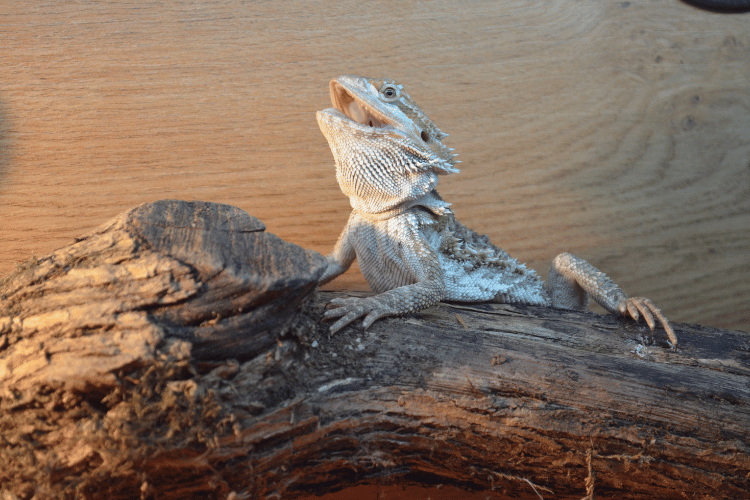
Bearded dragons are generally quiet animals. They communicate mostly through body language — arm waving, head bobbing, beard puffing — rather than vocalizations. But they do make a few distinct sounds that every owner should recognize.
For a deep dive into everything bearded dragons communicate, our dedicated guide on bearded dragon noises covers every sound in full detail.
Hissing
A hissing bearded dragon is a stressed or threatened bearded dragon. This is their primary defensive vocalization, and it’s usually accompanied by a puffed, darkened beard and an open mouth.
Common causes include being introduced to a new environment, rough handling, the presence of another dragon nearby (even their own reflection), or illness. A bearded dragon that hisses regularly despite gentle handling should be checked by a reptile vet, as chronic stress can signal an underlying health issue.
If your beardie seems consistently agitated or defensive, our guide on how to calm an angry bearded dragon walks through exactly what to do.

Glass Surfing Sounds
This is more of a scratching or tapping sound than a true vocalization, but it’s worth mentioning because it’s one of the most common “why is my bearded dragon making that noise?” questions out there.
Glass surfing — where your beardie frantically paws at the sides of the tank — usually signals stress, boredom, or an enclosure that’s too small. If you’re hearing this regularly, it’s time to reassess their habitat setup.
Puffing Sounds
When a bearded dragon puffs up their beard, you’ll sometimes hear a soft exhalation — almost like a short hiss or breath. This is a normal part of their threat display and doesn’t necessarily mean anything is seriously wrong. If it’s happening frequently without an obvious trigger, however, check your temperatures and look for stress marks as a secondary indicator.
Iguana Sounds

Iguanas are another surprisingly vocal lizard, particularly males during breeding season. If you’re keeping one of the many iguana species available as pets, here’s what to listen for.
Hissing
Like bearded dragons, iguanas hiss when threatened or defensive. An iguana hiss is louder and more forceful, and it’s almost always paired with a defensive posture — tail raised, dewlap extended, body turned sideways to look larger.
A hissing iguana should be approached very carefully. These are large, powerful animals with strong tails, and an iguana that feels cornered can inflict a real bite or tail whip. Give them space and let them calm down on their own terms.
Sneezing
This one surprises people every time. Iguanas sneeze — often and loudly. This is completely normal. They use sneezing to expel excess salt through their nasal glands, a result of their herbivorous diet and salt-processing physiology. If your iguana is sneezing regularly with no other symptoms, there’s nothing to worry about.
Chameleon Sounds
Chameleons — whether you keep a veiled chameleon, a panther chameleon, or a Jackson’s chameleon — are almost entirely visual communicators. Color change is their main language. But they do make one notable sound.

Hissing
A hissing chameleon is under serious stress. Unlike geckos that might click when mildly annoyed, chameleons tend to stay completely silent unless something is genuinely wrong. If your chameleon is hissing, take it seriously — they’re telling you they feel extremely threatened.
Check for husbandry issues first. Incorrect temperatures, humidity, or lighting are the most common causes of chronic chameleon stress. If everything checks out and the hissing continues, a vet visit is the right move. You can also read our guide on how to tell if a chameleon is dying to make sure you’re not missing any other warning signs.
Lizards That Are (Almost) Completely Silent
For completeness — if you own any of the following and they’ve never made a sound, that’s completely normal:
- Blue tongue skinks — rely on their tongue and body posture for communication
- Green anoles — very occasional soft sounds but largely silent
- Uromastyx — rarely vocal; occasional hiss under extreme stress only
- Most skink species — silent communicators
- Water dragons — body language focused, rarely vocalize
Why Do Lizards Make Noise At Night?
This is one of the most common questions I see, and the answer depends a lot on which species you have.
Geckos are the main culprit here, and for good reason: most pet gecko species are nocturnal or crepuscular (active at dawn and dusk). Leopard geckos are nocturnal, as are crested geckos, African fat-tailed geckos, and tokay geckos — all of them naturally become more active once the lights go down, which means their vocalizations peak at night too.
Here’s what nighttime gecko sounds usually mean:
- Chirping at night — they’re active, exploring, hunting, and feeling good. This is normal and healthy.
- Clicking at night — they may have spotted something through the glass (their own reflection, another animal nearby, movement outside the tank) that’s irritating them.
- Persistent, new nighttime noise — if it’s out of character, check their enclosure. A temperature drop at night, inadequate hides, or a humidity problem can all trigger stress vocalizations during their active hours.
If the nighttime sounds are bothering you and everything in the enclosure checks out, a little ambient white noise in the room can help muffle the sounds on your end without changing anything for the gecko.
For diurnal species like bearded dragons and iguanas, nighttime vocalizations are unusual and worth investigating. A bearded dragon hissing at night with no obvious cause could signal discomfort, an enclosure that’s too cold, or a health issue — especially if it’s a new behavior for them.
What Each Sound Means — Quick Reference
Here’s a simple summary of the most common lizard sounds and what to do when you hear them:
| Sound | Species | What It Means | What To Do |
|---|---|---|---|
| Chirping | Geckos | Happy, content, communicating | Nothing — this is good |
| Clicking | Geckos | Stressed, annoyed, doesn’t want to be handled | Stop handling, give space |
| Barking | Geckos (esp. Tokay) | Feeling threatened, defensive | Back off, rebuild trust slowly |
| Screaming | Juvenile geckos | Fear, unfamiliarity | Slow down, gentle stroking first |
| Hissing | Bearded dragons, iguanas, chameleons | Stressed, threatened, defensive | Give space, check husbandry |
| Sneezing | Iguanas | Normal salt expulsion | Nothing — completely normal |
| Glass tapping | Bearded dragons | Stress, boredom, enclosure issues | Check enclosure size and enrichment |
How To Get Your Lizard To Stop Making Noise
If your lizard is making sounds and you want to reduce them, the first step is figuring out why they’re doing it — because the fix is completely different depending on the cause.
If It’s Stress-Related (Clicking, Hissing, Barking)
- Review your handling technique. Always approach from the side, never from above. Move slowly and let them see your hand before you make contact.
- Check enclosure conditions. Incorrect temperatures, humidity, or lighting are the most common causes of chronic stress. Verify your basking spot, cool side, and night-time temperatures are all in range for your specific species.
- Assess their hides. Every lizard needs at least two hides — one on the warm side, one on the cool side. Without them, they can’t thermoregulate properly or feel secure, and low-level stress becomes constant.
- Reduce external stimuli. A tank placed near a busy walkway, a TV, or in direct sunlight can stress even a well-settled lizard.
If It’s Nighttime Noise From A Nocturnal Gecko
- Move the enclosure out of your bedroom — simplest fix if the sounds are disturbing your sleep
- Cover three sides of the tank with a background to reduce reflections and the impression of open, exposed space
- Use a white noise machine — it won’t change your gecko’s behavior, but it’ll muffle the sounds on your end
If It’s A New Juvenile
Patience is the only real answer here. Young reptiles take time to settle, and most juvenile vocalizations stop naturally within a few weeks once they’ve learned their environment is safe. Consistent, gentle handling sessions of 5–10 minutes a day will speed things up considerably.

Should You Be Worried About Lizard Sounds?
In most cases, no. Lizard sounds are a normal part of owning a vocal species like a gecko, and learning to read those sounds makes you a much better owner.
That said, a few situations do warrant a closer look:
- Sounds that are new and out of character — if a lizard that’s been silent for months suddenly starts vocalizing, something in their environment or health may have changed
- Sounds paired with visible symptoms — lethargy, loss of appetite, discoloration, or unusual posture alongside vocalizations can indicate illness and should be assessed by a reptile vet
- Stress sounds that don’t resolve — if clicking or hissing persists despite improved husbandry and reduced handling, get a vet to rule out pain or illness as an underlying cause. Our guide on how to help a sick lizard has more detail on when to act fast.
Wrapping Up
Lizards aren’t the silent pets most people expect them to be — at least, not all of them. Geckos in particular have a surprisingly expressive range of sounds, and learning what each one means is one of those things that genuinely makes a difference to your relationship with your animal.
The short version: chirping is good, clicking means back off, hissing means something is wrong, and sneezing from an iguana is just Tuesday.
If you’re still not sure what your lizard is trying to tell you, drop a comment below — I’m happy to help.
Frequently Asked Questions
Do all lizards make sounds?
No. The majority of lizard species are completely silent and communicate through visual signals like body posture, color change, and head bobs. The most vocal pet lizards are geckos, followed by iguanas. Species like bearded dragons, blue tongue skinks, and most anoles rarely vocalize.
Why is my gecko clicking?
Clicking is a stress or annoyance response. Your gecko is telling you it doesn’t want to be handled right now, or that something in its environment is bothering it. Stop handling immediately, give them space, and check their enclosure conditions — temperature, hides, and humidity. Persistent clicking without an obvious trigger may indicate chronic stress and is worth a vet check.
Why does my lizard make noise at night?
If you have a nocturnal gecko species — leopard gecko, crested gecko, or tokay gecko — nighttime noise is completely normal. They’re most active after dark and will chirp, click, and explore throughout the night. For diurnal species like bearded dragons, nighttime sounds are unusual and could indicate discomfort, incorrect night temperatures, or illness.
What does it mean when a bearded dragon makes noise?
Bearded dragons are mostly silent animals. When they do vocalize, it’s almost always a hiss, which signals stress or a defensive response. A hissing bearded dragon should be given space immediately. Check that husbandry conditions are correct, and if the hissing is persistent or paired with other symptoms like a darkened beard or loss of appetite, consult a reptile veterinarian.
Is it normal for lizards to scream?
Screaming is primarily seen in juvenile geckos and signals fear or extreme stress. It’s most common in the first few weeks after bringing a young gecko home, before they’ve settled in and built trust with their owner. With patient, gentle handling it typically resolves on its own within a few weeks.
Do lizards make sounds when happy?
Yes — geckos chirp when content, comfortable, and communicating. It’s a soft, high-pitched sound often heard after feeding or during active exploration at night. If your gecko is chirping regularly, take it as a good sign that they’re settled and comfortable in their environment.