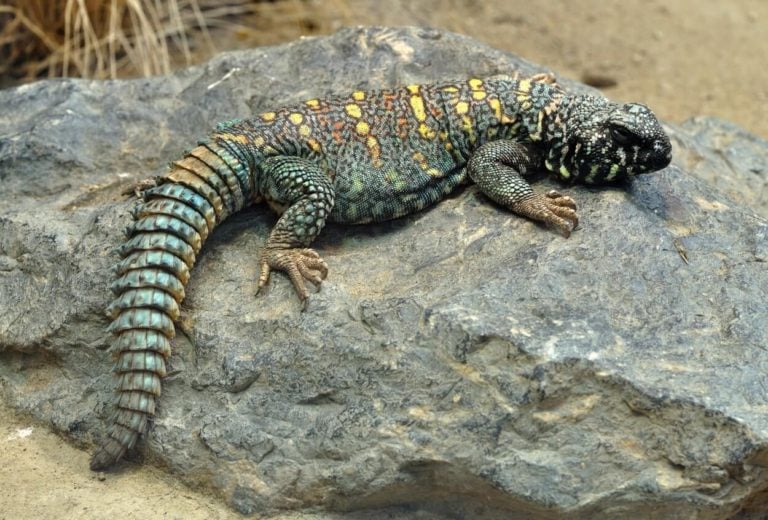
Yes, geckos can and do bite — but it’s rarely unprovoked, and for most commonly kept species it’s an uncommon event that causes minimal harm. Understanding why it happens and how to read the warning signs beforehand means most gecko bites are entirely preventable.
The answer varies considerably by species though. A leopard gecko bite is a very different experience to a tokay gecko bite — one is a gentle nip you’ll barely notice, the other can draw blood and requires a firm, calm response. Knowing the difference before you choose a gecko matters.
This guide covers the full picture: why geckos bite, which species are most likely to, what a bite actually feels like, what to do if you’re bitten, and how to build the trust that makes biting a very rare event.
Table of Contents
Gecko Bite Risk by Species
Not all geckos are equal in terms of bite frequency, force, or temperament. Here’s a practical overview of the most commonly kept species:1
| Species | Bite Likelihood | Bite Force | Handleability |
|---|---|---|---|
| Leopard Gecko | Low | Minimal — rarely breaks skin | Excellent — one of the best |
| Crested Gecko | Low–Moderate | Minimal — soft nip only | Good — but nervous/jumpy |
| African Fat-Tailed Gecko | Very Low | Minimal | Excellent — very calm |
| Gargoyle Gecko | Low–Moderate | Moderate — can pinch | Good with taming |
| Day Geckos (Phelsuma) | Moderate | Low–Moderate | Poor — fast, stress easily |
| Tokay Gecko | High | High — can break skin and hold | Poor unless well tamed |
| Flying Gecko | Moderate | Low | Poor — display animal |
| Leachianus Gecko | Moderate | High for a gecko — can bruise | Moderate — needs patience |
If you’re a first-time gecko keeper, the leopard gecko and African fat-tailed gecko are the standout choices for handleability. Both are slow-moving, calm-natured, and rarely bite even during taming. The tokay gecko, while magnificent to look at, is widely considered a display animal rather than a handling pet — at least until it has been patient-tamed over many months.
6 Reasons Geckos Bite

Every gecko bite has a reason. Geckos don’t bite randomly or out of malice — they bite when something in their situation has triggered the need to defend themselves or respond to a stimulus. Understanding the triggers is the key to preventing bites entirely.
1. Feeling Threatened or Stressed
This is the most common cause. Geckos are prey animals with strong threat-detection instincts — sudden movements, being grabbed from above (which mimics a predator strike), loud noises, or being handled for too long can all push a gecko past its comfort threshold.
The key is reading the warning signs before they escalate to biting. A stressed gecko will typically show several pre-bite signals:
- Tail raised and waving or vibrating (in leopard geckos especially)
- Squeaking, chirping, or vocalising (common in crested geckos, tokay geckos)
- Body flattened, mouth slightly open
- Rapid, erratic movement or attempts to escape
- Eyes wide, head turned to face the threat
If you see any of these, stop what you’re doing, lower the gecko back to a surface gently, and give it space. Pushing through these signals is what causes most bites. Geckos always give you warning — the bite is the last resort, not the first response.
2. Mistaking Your Fingers for Food
Food-motivated bites are extremely common, especially when a gecko is hungry and you’re handling them around feeding time. If you’ve recently handled feeder insects without washing your hands, the scent on your fingers can be enough to trigger a feeding strike.
This type of bite is fast, instinctive, and usually immediately released when the gecko realises you’re not food — it’s not aggression. The prevention is simple: always wash your hands thoroughly before handling, particularly if you’ve been touching feeder insects, and avoid handling during peak feeding time. Our leopard gecko feeding guide covers timing in detail — the same principle applies across most gecko species.
3. Territorial Behaviour
Male geckos are often territorial, particularly when housed with or within scent range of other males. If you’ve been handling another gecko and haven’t washed your hands, the resident gecko may bite in response to the scent — perceiving you as a rival or a threat to its territory.
This is one reason why housing male leopard geckos together is strongly discouraged — territorial aggression escalates quickly and can cause serious injury. Always wash hands between handling individual geckos, especially males.
4. Being Woken Suddenly
Geckos are crepuscular to nocturnal animals that sleep deeply during the day. Waking them abruptly — particularly by grabbing rather than allowing them to rouse — can trigger a defensive snap. If you need to interact with a gecko during its rest period, approach slowly, let it become aware of your presence before contact, and give it a moment to orient itself before attempting to handle.
5. Pain or Illness
A gecko that has never bitten before and suddenly begins doing so — particularly if it’s also showing changes in behaviour like reduced feeding, lethargy, or abnormal posture — may be in pain or unwell. Handling an ill or injured animal triggers defensive biting as a pain response. If you suspect your gecko isn’t well, reduce handling and consult a reptile vet. Check our guide on signs your leopard gecko may be sick for what to watch for.
6. Breeding Season Behaviour
Sexually mature males can become more defensive and nippy during breeding season, particularly if they can detect the presence of a female gecko in the same room. Gravid (egg-carrying) females also often become more irritable and bite-prone during the weeks before laying. This is temporary and typically resolves once the breeding season passes or the clutch is laid.
Does a Gecko Bite Hurt?

The honest answer is: it depends on the species. Here’s what to expect from the most commonly kept geckos:
Leopard Gecko Bite
A leopard gecko bite is generally described as a slight pinch — comparable to having your skin pinched between two fingernails. Their teeth are small and their jaw strength is limited. It almost never breaks skin and causes only brief, minor discomfort. Most people are more startled than hurt. Juveniles bite even less effectively than adults.
Crested Gecko Bite
A crested gecko bite is similarly minor — a soft, brief nip that’s more surprising than painful. Their teeth are tiny and not designed to grip or hold. Adults may occasionally leave a small red mark but rarely break skin.
Gargoyle Gecko Bite
Gargoyle geckos have slightly more robust jaws than crested geckos and a bite from a large adult can be a meaningful pinch — more than a crested but still mild by most standards. They can occasionally break skin if startled badly, but it’s not common.
Tokay Gecko Bite
The tokay gecko is in a different category entirely. Tokays have powerful jaws, large teeth, and — most notably — they grip and hold. A tokay bite can break skin, cause bruising, and be genuinely painful. They don’t always let go immediately, which adds to the experience. Do not yank your hand away — this tears skin. Instead, bring the gecko to a surface or use a credit card gently to disengage the jaw. Tokay bites are a real consideration when deciding whether this is the right species for you.
What to Do If a Gecko Bites You
Stay Calm and Don’t Pull Away Sharply
Instinct says pull away — resist it. Pulling your hand back sharply when a gecko is biting can tear your skin (particularly with a gripping species like a tokay) and may also cause the gecko to drop, potentially injuring itself. Stay still, speak calmly, and lower the gecko to a surface where it will release on its own.
Clean the Bite Thoroughly
Even if no skin is broken, wash the area with soap and warm water immediately. If skin is broken, clean with an antiseptic. Reptiles — like all animals — can carry bacteria in their mouths including Salmonella, which can cause infection if introduced into a wound.[1] A bitten hand that develops swelling, increasing redness, warmth, or red streaking in the following 24–48 hours should be assessed by a doctor.
Give the Gecko Space
After a bite, return the gecko to its enclosure and leave it undisturbed for at least a few hours. Continuing to handle a stressed gecko immediately after a bite reinforces the association between handling and threat, making future bites more likely. Give it time to settle before the next interaction.
Reflect on What Triggered It
Every bite is information. Ask: was the gecko warm and awake? Had you washed your hands? Was the gecko showing pre-bite signals you missed? Had you been handling it for too long? Understanding the cause prevents the next one.
How to Prevent Gecko Bites: Taming and Trust Building

The vast majority of gecko bites are preventable through correct handling technique and patient trust-building. Here’s a practical guide to reducing bite risk to near zero:
Give a New Gecko Time to Settle
A newly acquired gecko — regardless of species — should be left undisturbed for 5–7 days after arriving in your home. This settling-in period allows the gecko to adjust to its new environment, enclosure smells, temperatures, and the presence of its new owner without the added stress of handling. Attempting to handle too soon is one of the most common causes of early defensive biting.
Start With Scent Familiarisation
Before picking up a new gecko, spend time near the enclosure and let it become accustomed to your presence and scent. Placing your hand inside the enclosure without attempting to pick the gecko up — letting it approach and investigate on its own terms — builds positive association faster than repeated catching attempts.
Always Approach From the Side, Never From Above
Geckos instinctively perceive anything coming from above as a predator. Always approach and scoop from the side or below — never reach down toward them from above. Let the gecko walk onto your hand rather than grabbing it, especially during early taming.
Keep Sessions Short Initially
Start with 5-minute handling sessions and gradually increase as the gecko becomes more comfortable. Watch for the stress signals listed above and end the session proactively — before the gecko reaches its limit rather than after. Most leopard geckos tolerate 15–20 minutes comfortably once tamed. For other species the window varies.
Wash Hands — Before and After
Wash before to remove feeder insect scents. Wash after for your own hygiene — reptiles can carry Salmonella on their skin even without being ill, and basic hand hygiene after every handling session eliminates this risk entirely.[1] This is especially important if children are handling your gecko.
Consistency Is Everything
Regular, calm, positive handling sessions build trust faster than infrequent but intense ones. A gecko handled briefly but consistently every day will tame significantly faster than one handled intensively once a week. Consistency signals safety — the gecko learns that your presence reliably means a calm, predictable interaction and not a threat.
Frequently Asked Questions
Do geckos bite humans?
Yes, geckos can bite, but it’s uncommon with most pet species and is never unprovoked. Common triggers include feeling threatened, mistaking fingers for food, territorial behaviour, and being startled while asleep. Most gecko bites from popular pet species like leopard geckos and crested geckos cause minimal pain and rarely break skin. Tokay geckos are a notable exception — they have a powerful bite that can draw blood.
Do gecko bites hurt?
It depends on the species. A leopard gecko or crested gecko bite feels like a brief, mild pinch — comparable to a fingernail pinch — and almost never breaks skin. A tokay gecko bite is significantly more painful, can break skin, and the gecko may hold on rather than immediately releasing. African fat-tailed geckos and gargoyle geckos fall somewhere in between, with moderate biting force.
What should I do if a gecko bites me?
Stay calm and don’t yank your hand away — this can tear skin and may injure the gecko. Lower the gecko to a surface and allow it to release on its own. Clean the bite area thoroughly with soap and water, and apply antiseptic if skin is broken. Reptiles can carry Salmonella in their mouths, so prompt hand-washing and wound cleaning is important. If the bite site develops increasing redness, swelling, warmth, or red streaking, see a doctor.
Which gecko bites the hardest?
The tokay gecko has the most powerful bite of any commonly kept pet gecko species. They have large teeth, strong jaw muscles, and — unlike most other geckos — will hold on rather than immediately releasing. Their bites can draw blood and cause bruising. Leachianus geckos are also capable of a significant bite given their large body size. Leopard geckos and crested geckos are at the opposite end of the scale.
How do I stop my gecko from biting?
The most effective approach is consistent, patient taming — short daily handling sessions starting from when the gecko first arrives, always approaching from the side rather than above, never handling during its deep sleep phase, and washing hands thoroughly before handling to remove feeder insect scents. Reading and responding to pre-bite warning signals (tail wagging, vocalising, open mouth, erratic movement) before they escalate prevents the vast majority of bites.
Are gecko bites dangerous?
For most pet gecko species, no — the bite is too small to cause significant damage. The main concern is bacterial infection, as reptiles can carry Salmonella and other bacteria in their mouths. Always clean a gecko bite immediately with soap and water and apply antiseptic if skin is broken. A bite that shows signs of infection (increasing redness, swelling, warmth, or streaking) in the following 24–48 hours warrants a doctor visit. Tokay gecko bites in particular should always be cleaned carefully.
Final Thoughts
Gecko bites are rare, almost always preventable, and for most species cause minimal harm. The key is understanding that every bite is a communication — your gecko is telling you something about its current state, and reading that communication before it escalates to biting is a skill that comes quickly with experience.
Choose your species thoughtfully. If handleability matters to you, a leopard gecko or African fat-tailed gecko is the right starting point. If you’re drawn to a more challenging species like a tokay gecko or leachianus gecko, go in with realistic expectations and patience — they can become handleable, but it takes longer and bites are a more likely part of the journey. Explore our full guide to gecko species to find the right match for your experience level.
References
- Centers for Disease Control and Prevention (CDC). Salmonella and reptiles. Available at: cdc.gov/salmonella
- Warwick, C., et al. (2013). Reptile-related Salmonellosis — a longer-term study. Epidemiology & Infection. doi:10.1017/S0950268812002549