Bearded Dragons
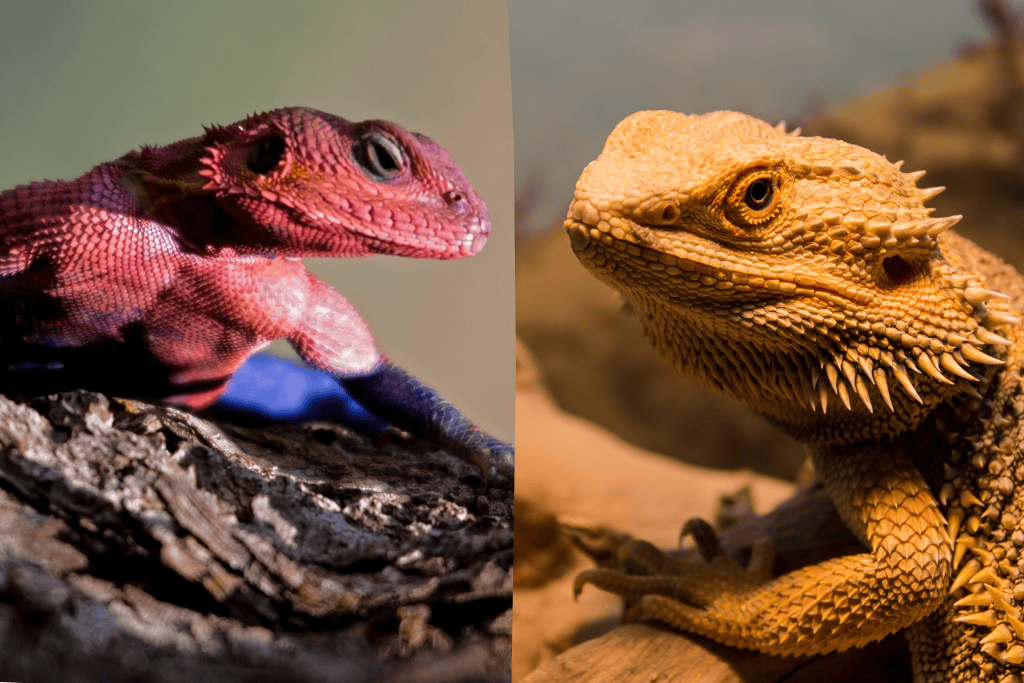
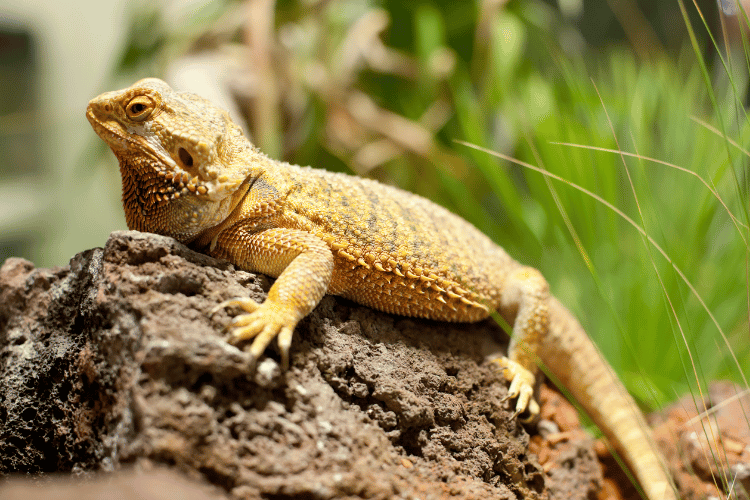
Bearded dragons are one of the most popular pet reptiles in the world — and for good reason. Native to the arid scrublands of Australia, these friendly, curious lizards are as close to a dog as the reptile world gets. They recognise their owners, enjoy being handled, and have distinct personalities that make them genuinely engaging pets to keep.
Despite their approachable nature, bearded dragons do have specific care requirements that need to be met consistently to keep them healthy. Temperature gradients, UVB lighting, diet balance, and proper hydration all play a critical role in their wellbeing, and getting these right from the start makes an enormous difference to your dragon’s quality of life and lifespan.
A healthy adult bearded dragon typically lives between 10 and 15 years in captivity, so bringing one home is a long-term commitment. They grow to around 18 to 24 inches in length and need a minimum 120-gallon enclosure as adults, with a basking spot reaching 100 to 110°F and a cool side sitting around 80°F. UVB lighting is not optional — without it, bearded dragons cannot metabolise calcium properly and will develop metabolic bone disease over time.
Diet is another area where many new keepers go wrong. Juvenile dragons need a diet that’s roughly 70% live insects and 30% vegetables, which flips to 70% vegetables and 30% insects as they reach adulthood. Variety is important — rotating between crickets, dubia roaches, collard greens, mustard greens, and occasional fruits gives them the nutrition they need.
Our bearded dragon guides cover every stage of ownership from choosing your first dragon to understanding brumation, managing common health issues like tail rot and mouth rot, and getting the enclosure setup exactly right.