A standard leopard gecko costs between $30 and $75 from a pet store, or $50–$100 from a reputable breeder. Rare morphs push this into the hundreds or even thousands. But the purchase price is only a fraction of the real cost — the enclosure, heating, UVB lighting, and ongoing expenses are what you actually need to budget for before bringing one home.
This guide breaks down everything: purchase price by morph, one-time setup costs, monthly ongoing expenses, and a realistic first-year total — so you know exactly what you’re committing to.
Table of Contents
- How Much Does a Leopard Gecko Cost? (Purchase Price)
- One-Time Setup Costs
- Ongoing Monthly Costs
- Annual and One-Off Costs to Budget For
- Total First-Year Cost of Owning a Leopard Gecko
- What Affects the Price of a Leopard Gecko?
- Are Leopard Geckos Worth the Cost?
- Frequently Asked Questions
- How much does a leopard gecko cost?
- How much does it cost to set up a leopard gecko enclosure?
- How much does it cost per month to keep a leopard gecko?
- What is the most expensive leopard gecko morph?
- Is it cheaper to buy a leopard gecko from a breeder or a pet store?
- How much does a leopard gecko cost in total for the first year?
How Much Does a Leopard Gecko Cost? (Purchase Price)

The purchase price of a leopard gecko varies enormously depending on the morph (colour and pattern variation), where you buy it, and whether it comes from a breeder or a pet store. Here’s a breakdown of common morphs and their typical price ranges:
| Morph | Description | Typical Price | Difficulty to Breed |
|---|---|---|---|
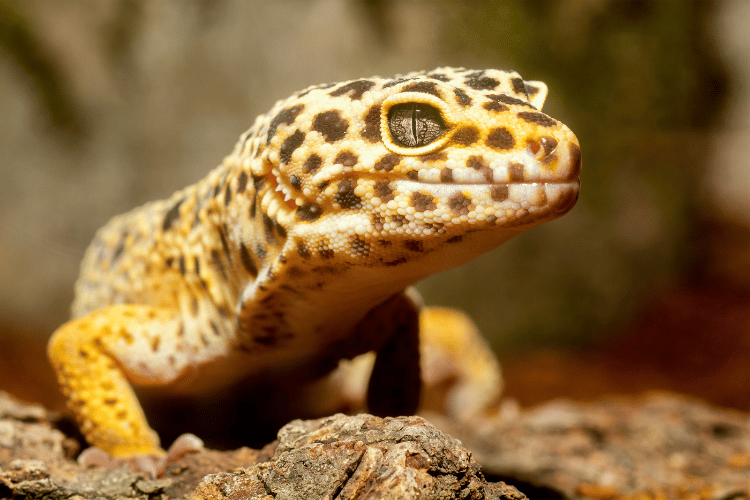
| Standard / Wild Type | Natural yellow-brown with black spots | $20–$40 | Easy |
| Fancy | Generic pet store label for non-standard appearance | $30–$75 | Easy |
| High Yellow | Intensified yellow colouration, reduced spots | $40–$100 | Easy |
| Mack Snow | White base with reduced yellow, black spots | $75–$150 | Moderate |
| Albino (Tremper) | No dark pigment — yellow and pink/white | $100–$250 | Moderate |
| Tangerine | Vivid orange colouration, minimal spots | $150–$300 | Moderate |
| Blizzard | Patternless — solid pale yellow or white | $100–$200 | Moderate |
| RAPTOR | Red-eyed Albino Patternless Tremper Orange | $100–$250 | Moderate |
| Super Snow | White body, solid black eyes — striking contrast | $150–$300 | Moderate–Hard |
| Giant / Super Giant | Selective size breeding — up to 10–12 inches | $150–$400 | Hard |
| Lemon Frost | Icy yellow-white with iridescent scales | $200–$500 | Hard |
| Dreamsicle | Multi-gene — lavender, white, and orange | $400–$800 | Very Hard |
| Black Night | Near-solid black pigmentation throughout | $500–$1,000 | Very Hard |
| Black Pearl | Ultra-rare — deep black with iridescent sheen | $2,500–$3,500+ | Extremely Hard |
A note on the Lemon Frost morph: while beautiful, Lemon Frost leopard geckos carry a genetic mutation linked to a higher incidence of iridophoroma (a form of tumour affecting pigment cells). Responsible breeders disclose this. If you’re considering a Lemon Frost, research the health implications thoroughly before purchasing.
Pet Store vs Breeder: Which Should You Choose?

Pet stores are convenient and typically cheaper upfront, but come with important caveats. Staff often cannot confirm the exact morph and will label geckos as “fancy” when unsure — meaning you may pay a mid-range price without knowing exactly what you’re getting. Health history is rarely available, and some pet store geckos are wild-caught or poorly sourced. That said, for a first leopard gecko where morph doesn’t matter much, a healthy-looking pet store gecko is a reasonable choice.
Reputable breeders charge more — typically $50–$150 for common morphs — but offer significantly more value. You get confirmed morph identification, health history, lineage information, and a gecko that has typically been socialised and handled from birth. For anyone interested in a specific morph, or wanting confidence in the animal’s health background, a breeder is always the better choice. Look for breeders with reviews, clear health guarantees, and willingness to answer questions about their breeding practices.
Reptile rescues and rehomes are worth considering too — leopard geckos are frequently surrendered by owners who underestimated the care requirements. A rescued gecko often comes with existing equipment and costs very little or nothing to acquire. Check local reptile societies and online reptile rehoming groups.
How Lineage Affects Price
Lineage refers to the breeding history and genetic background of a specific gecko. Well-known breeding lines — like the Hot Geckos Tangerine line for vivid orange colouration — command a premium because their colour traits breed true and are more predictable. This is primarily relevant to breeders and experienced collectors rather than first-time pet owners. If you’re keeping a gecko purely as a pet, lineage is not something you need to factor into your decision.
One important lineage note: some morphs carry known genetic health issues. The Enigma morph is associated with Enigma Syndrome — a neurological condition causing circling, stargazing, and loss of balance. Responsible breeders disclose this. Always ask about known health concerns for any morph you’re considering.
One-Time Setup Costs
This is where most first-time leopard gecko owners are caught off-guard. The gecko itself is often the cheapest part of the first year. Here’s what a proper setup costs:
| Item | Budget Option | Mid-Range | Premium | Notes |
|---|---|---|---|---|
| Enclosure | $60–$100 | $150–$250 | $300–$500+ | Minimum 40 gallon (36″ × 18″ × 18″) for one adult |
| Heat mat | $15–$25 | $25–$40 | $40–$60 | Essential for belly heat — must be used with thermostat |
| Thermostat | $25–$40 | $40–$80 | $80–$150 | Non-negotiable — prevents overheating. See our thermostat guide |
| UVB lighting | $30–$50 | $50–$80 | $80–$120 | Arcadia ShadeDweller 6% or Zoo Med 5.0 T5 HO recommended. See our UVB guide |
| Hides (×3 minimum) | $10–$20 | $20–$45 | $45–$80 | Warm hide, cool hide, moist hide — all three are essential |
| Substrate | $5–$15 | $15–$30 | $30–$60 | Reptile carpet, paper towels, or bioactive mix |
| Water dish | $3–$8 | $8–$15 | $15–$25 | Shallow and heavy enough not to tip |
| Feeding dish | $3–$8 | $8–$15 | $15–$25 | Smooth-sided so feeders can’t escape |
| Thermometer / hygrometer | $10–$20 | $20–$35 | $35–$60 | Digital with probe is most accurate |
| Décor and enrichment | $10–$20 | $20–$50 | $50–$150 | Rocks, cork bark, artificial plants |
Budget setup total: ~$170–$310
Mid-range setup total: ~$360–$620
Premium setup total: ~$690–$1,230
A realistic budget for a solid, functional first setup is $250–$400 — and this is before purchasing the gecko. Trying to cut corners on the thermostat, UVB, or enclosure size is where most early health problems originate. Getting the setup right from day one saves money on vet bills later.
Ongoing Monthly Costs

Leopard geckos are one of the most affordable reptiles to maintain long-term. Here’s what to expect monthly:
| Expense | Monthly Cost | Notes |
|---|---|---|
| Feeder insects | $10–$20 | Dubia roaches, crickets, mealworms — buy in bulk to save. See our feeding guide |
| Calcium + vitamin supplements | $2–$5 | One tub lasts 2–4 months; dust feeders at every meal |
| Electricity | $5–$15 | Heat mat + UVB running ~12–14 hrs/day; varies by region and rates |
| Substrate replacement | $2–$5 | Paper towel or reptile carpet replaced monthly; sand every 3–4 months |
| Miscellaneous | $2–$5 | Cleaning products, cotton buds, replacement bulbs (annual) |
Total monthly ongoing cost: approximately $20–$50/month, depending on diet variety, electricity rates, and whether you breed your own feeder insects.
Buying feeder insects in bulk (500–1,000 crickets or a live dubia colony) is the most effective way to reduce ongoing food costs. A small dubia roach colony, once established, can supply feeders almost indefinitely for very little cost.
Annual and One-Off Costs to Budget For
UVB Bulb Replacement
UVB bulbs need replacing every 12 months even if they still produce visible light — UV output degrades before the visible spectrum fails. Budget $25–$50 per year for a replacement T5 HO tube. This is non-negotiable for maintaining effective UVB provision.
Veterinary Care
A healthy, well-kept leopard gecko may need no veterinary attention for years. However, reptile vet visits are not cheap when they are needed — a basic exotic vet consultation typically runs $50–$100, with diagnostic tests and treatment on top. Budgeting $50–$150 per year as a vet fund is sensible. If you’re acquiring a new gecko, a health check from an experienced reptile vet in the first month is recommended — it catches any existing issues early and establishes a baseline. Find a qualified reptile vet through the Association of Reptilian and Amphibian Veterinarians (ARAV).
Equipment Replacement
Heat mats and thermostats are generally durable and can last many years. Budget for occasional replacement of hides, water dishes, and décor — perhaps $20–$50 every 1–2 years.
Total First-Year Cost of Owning a Leopard Gecko
| Cost Category | Budget | Mid-Range | Premium |
|---|---|---|---|
| Gecko purchase | $30–$75 | $75–$200 | $200–$3,500+ |
| One-time setup | $170–$310 | $360–$620 | $690–$1,230 |
| 12 months of food + supplements | $144–$240 | $180–$300 | $240–$360 |
| 12 months of electricity | $60–$120 | $60–$180 | $120–$180 |
| UVB bulb replacement (year 1) | $25–$35 | $35–$50 | $50–$80 |
| Vet fund | $50 | $100 | $150 |
| Miscellaneous | $20–$40 | $40–$80 | $80–$120 |
| FIRST YEAR TOTAL | ~$500–$870 | ~$850–$1,530 | ~$1,530–$5,620+ |
After the first year, costs drop significantly — ongoing costs of $300–$600 per year cover food, supplements, electricity, and the annual UVB bulb replacement for a well-set-up gecko. Leopard geckos live 10–20 years in captivity, making them a long-term commitment but not an expensive one on a month-to-month basis once the setup is in place.
What Affects the Price of a Leopard Gecko?
Morph
Morph is the single biggest driver of purchase price. A “morph” describes a specific colour and pattern variation produced through selective breeding. There are over 100 documented leopard gecko morphs, ranging from the common High Yellow ($40–$100) to the ultra-rare Black Pearl ($3,000+).
Rarer morphs typically require recessive genetics — both parents must carry the relevant gene for it to express in offspring. This can take multiple generations of selective breeding to achieve reliably, which is why some morphs command such high prices. The most expensive morph ever recorded was a Black Pearl bred by The Urban Gecko, selling at $3,000 per animal.
Age
Hatchlings and juveniles are typically cheaper than proven adults. Young geckos require more intensive feeding and carry slightly more risk of early health issues. Adult females with a proven breeding record attract a premium from breeders. For a first-time keeper, a juvenile (3–6 months old) is usually the sweet spot — old enough to have past the most fragile stage, young enough to bond well with handling.
Location
Prices vary meaningfully by region. States with large reptile keeping communities — Florida, Texas, California — tend to have more breeders and lower prices due to competition. States with fewer reptile keepers often see higher prices. Shipping adds $40–$80 for live animal delivery, which is worth factoring in if buying online from an out-of-state breeder. Note that leopard geckos cannot be legally owned in Hawaii, and shipping to Alaska is difficult due to temperature extremes.
Are Leopard Geckos Worth the Cost?
On a lifetime cost basis, leopard geckos are genuinely one of the most affordable pets you can own. Averaged across their 15–20 year lifespan, the total cost works out to well under $100 per year once setup is complete. Compare that to the lifetime cost of a dog or cat and the value proposition is clear.
The key is getting the setup right at the start. A well-equipped enclosure with correct temperatures, a quality UVB source, and a varied feeder diet means your gecko is unlikely to need expensive veterinary intervention. Cutting corners on the setup — particularly the thermostat or UVB — is where costs accumulate through health problems.
If you’re ready to take the next step, our complete leopard gecko care guide covers everything from enclosure setup through diet, handling, and health — everything you need to give your gecko the best possible start.
Frequently Asked Questions
How much does a leopard gecko cost?
A standard leopard gecko costs $20–$75 from a pet store, or $50–$150 from a reputable breeder. Common morphs like Mack Snow, Albino, and Tangerine typically range from $75–$300. Rare designer morphs like Black Night, Dreamsicle, and Black Pearl can reach $500–$3,500+. The purchase price is only part of the total cost — setup, food, and ongoing care add significantly to the first-year budget.
How much does it cost to set up a leopard gecko enclosure?
A basic but functional setup costs $170–$310. A solid mid-range setup runs $360–$620. This covers the enclosure, heat mat, thermostat, UVB lighting, hides, substrate, thermometer, water dish, and basic décor. The thermostat and UVB light are the two items you should not skimp on — they directly affect your gecko’s health and are the most common sources of preventable illness.
How much does it cost per month to keep a leopard gecko?
Monthly ongoing costs typically run $20–$50 for a single adult leopard gecko. This covers feeder insects ($10–$20), calcium and vitamin supplements ($2–$5), electricity for heating and UVB ($5–$15), and substrate/miscellaneous ($4–$10). Buying feeder insects in bulk or starting a dubia roach colony significantly reduces the food portion of this cost.
What is the most expensive leopard gecko morph?
The Black Pearl morph is one of the most expensive leopard gecko morphs, with individual animals selling for $2,500–$3,500 or more. Other high-value morphs include Black Night ($500–$1,000+), Dreamsicle ($400–$800), and Lemon Frost ($200–$500). These high prices reflect the difficulty of consistently producing the genetic combination and the rarity of specimens.
Is it cheaper to buy a leopard gecko from a breeder or a pet store?
Pet stores are typically cheaper upfront ($20–$75) but offer less information — staff often can’t confirm the exact morph and health history is rarely available. Reputable breeders charge $50–$150+ for common morphs but provide confirmed morph identification, health history, lineage details, and a gecko that has typically been handled from birth. For most buyers, the extra cost of a breeder is worth it for the peace of mind.
How much does a leopard gecko cost in total for the first year?
A realistic first-year total for a budget setup with a standard morph is $500–$870. A mid-range setup with a more interesting morph runs $850–$1,530. Premium setups with rare morphs can reach $1,500–$5,000+. After the first year, ongoing annual costs drop to approximately $300–$600 once setup costs are behind you.