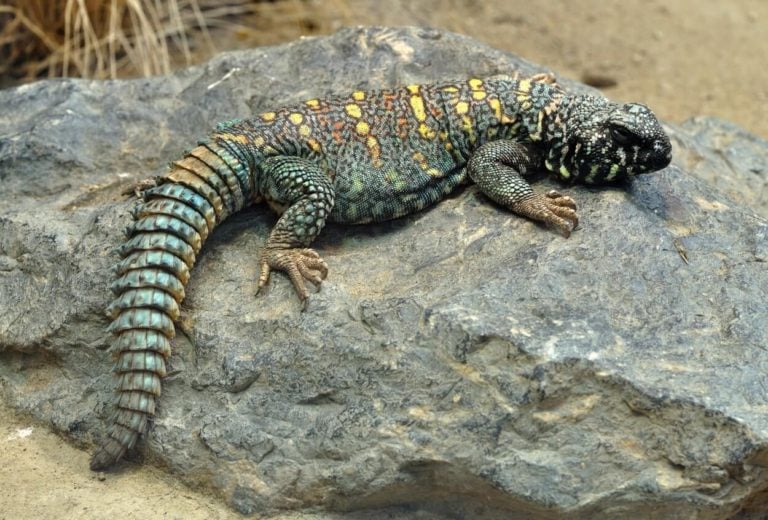
If you’ve ever wondered whether a gecko is a lizard, or what exactly separates the two — you’re not alone. It’s one of the most common questions new reptile keepers ask, and the answer is a little more interesting than you might expect.
The short answer: geckos are lizards. But calling a gecko “just a lizard” is a bit like calling a wolf “just a dog.” Technically accurate, but it glosses over a whole set of fascinating traits that make geckos genuinely distinct — from the way they clean their eyes to how they communicate, climb walls, and lay their eggs.
In this guide we’ll cover every meaningful difference between lizards and geckos, from their biology and behaviour to their care requirements as pets.

Table of Contents
- Are Geckos Lizards? The Classification Explained
- Key Differences Between Lizards and Geckos
- Quick Reference: Lizard vs Gecko Differences
- Lizard vs Gecko as Pets: Care Differences That Matter
- Popular Pet Lizards vs Popular Pet Geckos
- Which Makes a Better Pet — a Lizard or a Gecko?
- Frequently Asked Questions
- Final Thoughts
- References
Are Geckos Lizards? The Classification Explained
Yes — geckos are lizards. Both belong to the order Squamata (scaled reptiles), and within that, both sit under the suborder Lacertilia, which is the formal classification for lizards.[1]
Geckos form their own infraorder — Gekkota — within that broader lizard classification. Think of it this way:
- All geckos are lizards — but not all lizards are geckos
- There are approximately 7,000 species of lizards worldwide[2]
- Around 1,850 of those species are geckos — making them one of the largest lizard families
- Geckos are found on every continent except Antarctica
So when people talk about “lizards vs geckos,” they’re really comparing the broader lizard group (excluding geckos) with the specific gecko subgroup. With that framing in mind, let’s get into what actually makes geckos different.
Key Differences Between Lizards and Geckos

1. Eyelids — The Easiest Way to Tell Them Apart
This is the most reliable physical distinction between most geckos and other lizards. Most geckos do not have moveable eyelids. Instead, they have a fixed, transparent scale covering the eye — called a brille or spectacle — which they clean by licking with their tongue.
If you’ve ever seen a gecko licking its own eye, that’s why. It’s not a quirk — it’s a functional behaviour replacing what a blink would do for a lizard with eyelids.
Most other lizards — bearded dragons, blue tongue skinks, monitors, iguanas — have fully functional, moveable eyelids just like mammals. The notable exception is the leopard gecko, which is unusual among geckos in having moveable eyelids — one reason it’s sometimes considered an easier gecko to read behaviourally.
2. Toe Pads — How Geckos Walk on Walls
Many gecko species have specialised adhesive toe pads covered in microscopic hair-like structures called setae. Each seta branches into hundreds of even smaller tips called spatulae, creating an enormous surface area that generates van der Waals forces — a type of molecular attraction that allows geckos to cling to smooth vertical surfaces and even hang upside down from glass.[3]
This is why a tokay gecko can sprint up a pane of glass and a bearded dragon cannot. Standard lizards have clawed feet designed for gripping substrate, bark, or rock — not smooth surfaces. The adhesive toe pad system is almost exclusively a gecko trait (with a small number of exceptions in other lizard families).
Ground-dwelling geckos like leopard geckos don’t have the same adhesive pads — they have clawed feet similar to other lizards — which is one of the reasons leopard geckos are such good beginner pets. They don’t need tall enclosures designed for climbing species.
3. Vocalisations — Geckos Are Uniquely Talkative
Among the many thousands of lizard species, geckos stand out as the most vocal. While most lizards are essentially silent — communicating through body language, colour change, and posture — most gecko species produce sounds. These range from chirps, clicks, and barks to full vocalisations used in territory defence and mating.[4]
The tokay gecko is perhaps the most dramatic example — it produces a loud, unmistakable barking call that sounds remarkably like someone saying “tokay.” Leopard geckos chirp and squeak. Crested geckos make soft chirping sounds.
If you hear sounds coming from your reptile’s enclosure at night, there’s a very good chance you own a gecko.
4. Pupil Shape
Many geckos — particularly nocturnal species — have distinctive vertical slit pupils, similar to a cat’s eye. This pupil shape is highly efficient in low-light conditions, allowing the gecko to open its pupil very wide in the dark while closing it to a narrow slit in bright light to protect the sensitive retina.
Most diurnal (daytime-active) lizards have round pupils, suited to consistent daylight conditions. Nocturnal lizards outside the gecko family — like some skinks — may also have slit pupils, but this feature is especially common and pronounced in geckos.
5. Scale Texture
Run your finger along a bearded dragon’s back and you’ll feel distinct, rough keeled scales. Now compare that to a leopard gecko or crested gecko — the skin feels noticeably softer and more granular, almost like fine sandpaper or velvet in some species.
Most geckos have very fine, granular scales that give them a smoother appearance and texture than the more structured, prominently keeled scales seen in many other lizard families. This is particularly noticeable in arboreal geckos like crested geckos and gargoyle geckos.
6. Egg Laying — Clutch Size
Most geckos lay eggs in clutches of just one to two eggs, often cementing them to a surface in the enclosure or burying them just beneath the substrate. This is strikingly different from most other lizard species, which can lay clutches of 10 to 40 eggs or more per cycle.
A bearded dragon, for example, can lay 15–35 eggs per clutch. A green iguana may lay 25–45. A leopard gecko lays two eggs per clutch but can lay multiple clutches per season. This reproductive strategy — fewer eggs but more frequent laying — is a distinctive gecko characteristic seen across most of the 1,850 gecko species.
7. Activity Patterns
The majority of popular pet lizards — bearded dragons, blue tongue skinks, iguanas, monitors, water dragons — are diurnal, meaning they’re active during the day and sleep at night. This mirrors the behaviour of their wild counterparts who bask under the sun to regulate body temperature and UV intake.
Many gecko species, by contrast, are nocturnal or crepuscular (active at dawn and dusk). Leopard geckos, tokay geckos, crested geckos, and the majority of wild gecko species are most active after dark — another reflection of their distinctly different evolutionary history and ecological niche.
This has real implications for their care: nocturnal geckos don’t bask the same way, often have lower UVB requirements, and shouldn’t be disturbed during the day when they need to sleep.

Quick Reference: Lizard vs Gecko Differences
| Feature | Most Lizards | Most Geckos |
|---|---|---|
| Classification | Suborder Lacertilia | Suborder Lacertilia, Infraorder Gekkota |
| Eyelids | Moveable eyelids | Fixed brille (lick to clean) |
| Toe pads | Clawed feet | Adhesive lamellae (most species) |
| Vocalisations | Mostly silent | Clicks, chirps, barks |
| Pupil shape | Usually round | Often vertical slit |
| Scale texture | Keeled/rough scales | Fine granular scales |
| Clutch size | 10–40+ eggs | 1–2 eggs per clutch |
| Activity pattern | Usually diurnal | Often nocturnal/crepuscular |
| UVB requirements | High (most species) | Lower (many species) |

Lizard vs Gecko as Pets: Care Differences That Matter
UVB Lighting Requirements
This is one of the most practically important differences for keepers. Most diurnal lizards — bearded dragons, iguanas, monitors, water dragons — have high UVB requirements. They bask under intense UV light in the wild and require a quality T5 HO UVB tube in captivity to synthesise vitamin D3 and absorb calcium properly. Without adequate UVB, metabolic bone disease is a serious risk.
Many nocturnal gecko species have lower UVB requirements, having evolved in low-light environments where UV exposure is minimal. Leopard geckos, crested geckos, and African fat-tailed geckos can be maintained without a dedicated UVB light if their diet includes D3 supplementation — though recent research increasingly suggests even nocturnal geckos benefit from low-level UVB.[5]
Diurnal gecko species — like day geckos (phelsuma) and tokay geckos — do require UVB lighting, sitting closer to their lizard relatives in this regard.

Handling and Temperament
Most popular pet lizards — bearded dragons especially — can become very tame and tolerant of regular handling with time and consistent interaction. A well-socialised bearded dragon will sit on its owner’s shoulder and show little sign of stress.
Geckos vary considerably. Leopard geckos are generally calm, slow-moving, and well-suited to regular handling — making them an excellent first reptile. Crested geckos are more nervous and can jump unexpectedly, though many tolerate short handling sessions. Day geckos and tokay geckos are typically not handling animals — they’re fast, stress easily, and are better kept as display animals.
As with all reptiles, patience and consistency are key. Always allow a new gecko or lizard at least five to seven days to settle in before attempting handling.
Enclosure Setup
Arboreal geckos (crested geckos, day geckos, tokay geckos) require tall, vertically-oriented enclosures with plenty of climbing opportunities — branches, vines, cork bark, and live plants. Their adhesive toe pads are designed for height.
Most other lizards and terrestrial geckos (leopard geckos, African fat-tailed geckos) do better in longer, horizontally-oriented enclosures that prioritise floor space and a proper warm-to-cool temperature gradient.
Diet
Many popular pet lizards are omnivorous or herbivorous. Bearded dragons eat a mix of insects and leafy greens. Iguanas and uromastyx are largely herbivorous. Blue tongue skinks eat a wide variety of foods including fruits, vegetables, and protein.
Most geckos are insectivorous, with their diet built primarily around live insects — crickets, mealworms, dubia roaches, and waxworms. Some species (crested geckos, day geckos) also consume fruit-based foods and commercially available meal replacement powders. Very few gecko species eat significant quantities of plant matter.
Popular Pet Lizards vs Popular Pet Geckos

Best Pet Lizards (Non-Gecko)
- Bearded Dragon — the most popular pet lizard; docile, interactive, well-studied
- Blue Tongue Skink — calm temperament, hardy, omnivorous diet
- Corn Snake — technically not a lizard, but often compared in the beginner category
- Uromastyx — fascinating desert lizards that are largely herbivorous
- Green Anole — small, active, great for observational setups
Best Pet Geckos
- Leopard Gecko — the most beginner-friendly gecko; calm, manageable, moves slowly
- Crested Gecko — no heating required in most homes; eats commercial powder diet
- African Fat-Tailed Gecko — similar to leopard gecko; slightly more calm
- Gargoyle Gecko — robust, handles occasional drops well, great display animal
- Day Geckos (Phelsuma) — stunning colours; better as display animals than handling pets
Which Makes a Better Pet — a Lizard or a Gecko?
There’s no single answer — it depends entirely on what you’re looking for. Here’s a simple breakdown:
Choose a non-gecko lizard if you want: a highly interactive, handleable pet that’s active during the day and responds well to socialisation. A bearded dragon is the gold standard here — they’re often described as the “dog of the reptile world” for good reason.
Choose a gecko if you want: a lower-maintenance setup (especially for nocturnal species with reduced UVB requirements), a smaller enclosure footprint, or a fascinating display animal with unique climbing abilities. Leopard geckos are the ideal first gecko — and arguably the best beginner reptile overall.
Both groups require a proper enclosure, correct temperatures, species-appropriate lighting, and a quality diet. Neither is truly “low maintenance” — but both are genuinely rewarding pets when their needs are properly met.
Frequently Asked Questions
Is a gecko a type of lizard?
Yes — geckos are lizards. They belong to the order Squamata and the suborder Lacertilia, which is the classification for all lizards. Geckos form their own infraorder (Gekkota) within that broader group. All geckos are lizards, but not all lizards are geckos.
What is the main difference between a gecko and a lizard?
The most reliable physical distinction is eyelids — most geckos lack moveable eyelids and lick their eyes clean instead. Geckos are also typically more vocal than other lizards, often lay eggs in pairs (rather than large clutches), and many species have adhesive toe pads that allow them to climb smooth vertical surfaces. Most geckos are also nocturnal, while most popular pet lizards are diurnal.
Can geckos and lizards live together?
No — geckos and lizards of different species should not be housed together. Even closely related species can stress each other, compete for resources, transmit disease, and cause injury. Each reptile should have its own appropriately sized enclosure set up for its specific species needs.
Do geckos need UVB light like other lizards?
Most nocturnal gecko species (leopard geckos, crested geckos, African fat-tailed geckos) have lower UVB requirements than diurnal lizards like bearded dragons. They can be maintained with D3 supplementation in their diet. However, recent research suggests even nocturnal geckos benefit from low-level UVB exposure. Diurnal gecko species (day geckos, tokay geckos) do require UVB lighting.
Are geckos easier to keep than lizards?
It depends on the species. Nocturnal geckos like leopard geckos and crested geckos are generally considered easier for beginners because they have lower UVB requirements, tolerate a wider range of temperatures, and eat simple insect or powder diets. Diurnal lizards like bearded dragons require more equipment (UVB lights, basking lamps, thermostat) but are often more interactive and handleable.
Why do geckos lick their eyes?
Most geckos don’t have moveable eyelids — instead, their eyes are covered by a fixed transparent scale called a brille or spectacle. Geckos lick their eyes to clean this scale and keep it moist, which serves the same function as blinking does for lizards and mammals with eyelids.
Final Thoughts
Geckos are lizards — but they’re a remarkably specialised group with a distinct set of traits that genuinely set them apart from the broader lizard world. No moveable eyelids, adhesive toe pads on many species, small egg clutches, vocal communication, and predominantly nocturnal activity patterns all combine to make geckos something quite unique within the lizard family tree.
Whether you’re drawn to the calm temperament of a leopard gecko, the interactive nature of a bearded dragon, or the striking colours of a day gecko, both groups make fascinating pets when their individual needs are properly understood and met. The key, as always, is doing the research specific to your chosen species before you bring one home.
References
- Vitt, L.J. & Caldwell, J.P. (2013). Herpetology: An Introductory Biology of Amphibians and Reptiles. 4th ed. Academic Press. ISBN 978-0123869197.
- Uetz, P., Freed, P. & Hošek, J. (eds.) (2023). The Reptile Database. Available at: reptile-database.org
- Autumn, K., et al. (2002). Evidence for van der Waals adhesion in gecko setae. Proceedings of the National Academy of Sciences. 99(19):12252–12256. doi:10.1073/pnas.192252799
- Marcellini, D.L. (1977). Acoustic and visual display behavior of gekkonid lizards. American Zoologist. 17(1):251–260.
- Oonincx, D.G.A.B., et al. (2010). The vitamin D status of leopard geckos (Eublepharis macularius) under different lighting conditions. Comparative Biochemistry and Physiology. 156(3):370–375.