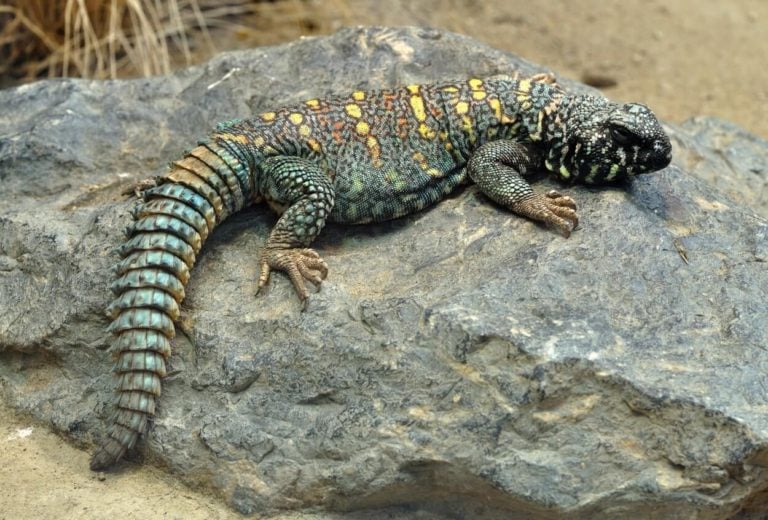
One of the first things new bearded dragon owners notice is that their dragon licks — a lot. It licks them, licks the enclosure walls, licks the air, licks its food before eating it. Having kept bearded dragons for years, I can tell you this is one of the most instinctive and normal behaviours these animals display, and understanding what’s behind it makes owning one a lot more interesting.
This guide covers every reason a bearded dragon licks you, what licking the air means, and whether the behaviour changes as they get older.
Table of Contents
How Licking Helps Them Gather Information
To understand why bearded dragons lick you, it helps to understand how they perceive the world. Reptiles don’t rely primarily on sight and smell the way mammals do — they use their tongue to collect chemical information from their environment, a sense called chemoreception.
Every time your beardie flicks its tongue, it’s collecting microparticles from the air or whatever surface it’s touching. Those particles are then transferred to the Jacobson’s organ — a sensory structure located in the roof of the mouth — which processes the chemical signals and sends the information to the brain. This is how your bearded dragon identifies food, detects potential threats, locates mates, and maps out its territory. Licking isn’t random behaviour — it’s a highly active and purposeful information-gathering system.
What Does It Mean When A Bearded Dragon Licks You?
If you’re new to the world of pet bearded dragons, it can seem strange at first. But licking you is one of the most natural things your beardie can do — and there are five distinct reasons why it happens.

Licking is almost always done in a calm, gentle manner and is not a sign of aggression or displeasure. On the contrary — a beardie that licks you is usually comfortable enough with you to investigate. Here’s what each type of licking behaviour typically means:
1. They’re Gathering Information About Their Environment
This is by far the most common reason a bearded dragon licks you. Through the Jacobson’s organ, your dragon can detect temperature, texture, chemical signatures, and a huge amount of environmental data from a single lick. In the wild, this constant chemical sampling keeps a bearded dragon informed about predators, food sources, and the state of its territory.
In a home environment — especially with a new dragon, or one that has recently moved enclosures — licking you is your beardie’s way of building a profile of who you are. It’s trying to determine if you’re a threat or a safe presence. As your dragon becomes familiar with you and its surroundings, this information-gathering licking naturally reduces in frequency.
Baby bearded dragons lick almost constantly for exactly this reason — everything in their world is new, and they need to map it all out. This is completely normal and will settle down as they mature.
2. Something Tastes Interesting
If your dragon licks you around feeding time, it may be checking whether you’re carrying something it recognises as food. Bearded dragons identify food primarily through chemoreception rather than sight — the chemical signatures of their favourite feeders leave residue on your hands that your dragon can detect and respond to.

Expert Tip: If you’ve been handling feeder insects or preparing your dragon’s food before picking it up, expect some enthusiastic licking. Washing your hands before handling reduces this and also helps avoid accidental food-related nips, particularly with hungrier juveniles.
3. It’s Territorial Behaviour
Bearded dragons are territorial animals and use licking to chemically mark their space and the objects within it. In a single-dragon household this is relatively low-key — your beardie may periodically lick you, its enclosure fixtures, and nearby surfaces as a routine territorial check-in.
In a multi-dragon household the behaviour intensifies significantly. Male bearded dragons will lick everything in sight when they can detect the presence of another male, even one housed in a separate enclosure across the room. They’re asserting ownership and signalling to the competition. Female dragons will do the same when competing females are present, particularly around food resources.
This is one of the many reasons bearded dragons should never be housed together — the constant stress of territorial competition causes chronic stress marks, suppressed immune function, and reduced quality of life for both animals, even when no direct physical conflict is visible.
4. Mating Is On Their Mind
Approximately one month after brumation ends, sexually mature males enter mating season and begin actively searching for pheromone signals that indicate a receptive female. This triggers a marked increase in tongue-flicking and licking behaviour as the dragon chemically scans its environment.
If you only have one dragon, this search is ultimately fruitless — but the instinct is strong and will play out regardless. An agitated or restless dragon during spring that is licking everything and head-bobbing frequently is almost certainly in mating season. The behaviour typically settles after a few weeks.

5. It’s A Sign Of Comfort Or Familiarity
Whether licking constitutes genuine affection in the way mammals show it is an open question — the science on reptile emotional capacity is still developing, and it’s worth being cautious about projecting mammalian emotional frameworks onto lizards. What does seem clear is that a bearded dragon is far more likely to lick a person it has established familiarity and trust with than a stranger.
The licking may be primarily about chemical recognition — verifying that this is the familiar, safe presence it has mapped before — rather than affection in the human sense. Either way, regular licking from a settled, relaxed dragon that is otherwise displaying calm body language is a good sign that your dragon is comfortable with you.
Expert Tip: A dragon showing stress marks or a darkened beard while licking is not comfortable — it’s stressed. Calm, flat body posture and normal colouration alongside licking behaviour is the sign of a settled, confident animal. Learn your individual dragon’s normal baseline and you’ll be able to read the difference easily.
The more quality time you spend handling and interacting with your beardie, the more familiar and comfortable it will become with your chemical signature. Over time, many owners notice their dragons seek out handling sessions and appear relaxed and alert during them — which is about as close to affection as these animals demonstrably show. See our guide on how bearded dragons like to be handled for more on building that trust.
Why Does My Bearded Dragon Lick The Air?
Air-licking is the same chemoreception system applied to airborne particles rather than surfaces. The tongue collects chemical microparticles suspended in the air — invisible to humans but rich in information for a reptile — and transfers them to the Jacobson’s organ for analysis.

Common triggers for air-licking include:
- Hunger — a dragon that starts tongue-flicking around feeding time is detecting food odour particles in the air. This is a reliable signal that it’s ready to eat
- New environment — a recently rehomed dragon or one moved to a new enclosure will air-lick constantly as it maps the chemical landscape of its new surroundings. This settles down as familiarity increases
- Mating season — males in breeding condition air-lick intensively in search of female pheromone signals
- Predator detection — instinctive threat-scanning behaviour that carries over from wild life even in captive-raised animals
Expert Tip: There’s an important distinction between normal air-licking and open-mouthed gasping. Licking is a quick, deliberate tongue-flick. Gasping — sitting with the mouth held open, appearing laboured — is a different behaviour that suggests overheating or respiratory distress. See our guide on why bearded dragons hold their mouth open if you’re unsure which you’re seeing. Make sure temperatures and the cool side of the enclosure are correct if you notice prolonged open-mouth behaviour.
Will Licking Behaviour Change As They Age?
Yes — baby and juvenile bearded dragons lick far more frequently than adults. Young dragons are constantly building their chemical map of the world, and everything they encounter gets investigated. If you’ve just brought a baby beardie home, expect it to lick your hands, arms, clothing, and pretty much anything it comes into contact with. This is normal exploratory behaviour and will reduce naturally as the dragon matures and becomes familiar with its environment.
Adult dragons still lick regularly but with more purpose and less frequency than juveniles — investigating new objects, checking in on their territory, or responding to seasonal triggers like mating season or a change in environment.
One important practical note for baby and juvenile dragons: because they lick everything, substrate choice matters a great deal. Loose particle substrates — fine sand, calcium sand, gravel — are particularly dangerous for young dragons because they will inevitably ingest particles through licking, which can cause impaction. Use tile, reptile carpet, or paper towel for juveniles, and see our full guide on bearded dragon habitat setup for safe substrate options across all life stages.
Frequently Asked Questions
Why does my bearded dragon keep licking me?
The most common reason is information-gathering — your dragon is using its Jacobson’s organ to build a chemical profile of you. This is most intense with new dragons or after any change in your scent (new soap, handling other animals, cooking). It can also indicate hunger if it happens around feeding time, or familiarity and comfort in a well-settled dragon. Persistent licking in an otherwise calm, relaxed dragon is a normal and healthy behaviour.
Is it normal for bearded dragons to lick everything?
Completely normal, particularly in babies and juveniles. Bearded dragons explore and understand their environment primarily through chemoreception — licking surfaces and the air collects chemical particles that are processed by the Jacobson’s organ. Young dragons lick constantly because everything in their world is new. Adults lick less frequently but still regularly, particularly when investigating new objects or during mating season. If licking suddenly increases in an adult, check for environmental changes or signs of mating season behaviour.
Why does my bearded dragon lick the air?
Air-licking is the same chemoreception process applied to airborne particles. The most common triggers are hunger (detecting food odour before feeding), a new or changed environment, mating season in males searching for female pheromones, and general environmental monitoring. It is normal behaviour. The thing to distinguish it from is open-mouthed gasping — which is a different behaviour indicating overheating or respiratory problems, not licking.
Does it mean my bearded dragon likes me if it licks me?
It’s a reasonable indicator of comfort and familiarity, though whether it constitutes ‘liking’ in the way mammals express affection is uncertain. A bearded dragon is much more likely to lick a person it recognises and trusts than a stranger — so consistent licking from a calm, relaxed dragon is a positive sign of an established bond. Combine this with other positive body language signals (flat, relaxed posture, normal colouration, willingness to be handled) for a fuller picture of how your dragon feels about you.
Why does my bearded dragon lick its lips?
Lip-licking after eating is normal — the dragon is cleaning residual food scent from its mouth. Repeated lip-licking not associated with feeding, or accompanied by foamy mucus around the mouth, excess saliva, or swelling, can be an early sign of mouth rot (infectious stomatitis). If you notice any of these additional symptoms alongside persistent lip-licking, have your dragon examined by a experienced reptile vet.
Why has my bearded dragon suddenly started licking more than usual?
A sudden increase in licking in an adult dragon usually has one of four causes: mating season (spring, post-brumation in males), a change in environment (new enclosure, moved furniture, new scents in the home), the introduction of another animal whose scent they’re detecting, or a new food or handling routine that has changed the chemical signals they associate with you. None of these are cause for concern on their own. If the behaviour is accompanied by stress marks, black beard, or loss of appetite, investigate environmental stressors first.
Final Thoughts
Bearded dragon licking is one of those behaviours that looks strange until you understand the biology behind it — and then it becomes one of the more fascinating things about keeping these animals. Your dragon isn’t being weird; it’s actively reading its environment through one of the most sophisticated chemical sensing systems in the reptile world.
For more on understanding your bearded dragon’s behaviour, see our guides on handling and bonding, reading bearded dragon body language, and our complete bearded dragon care guide.