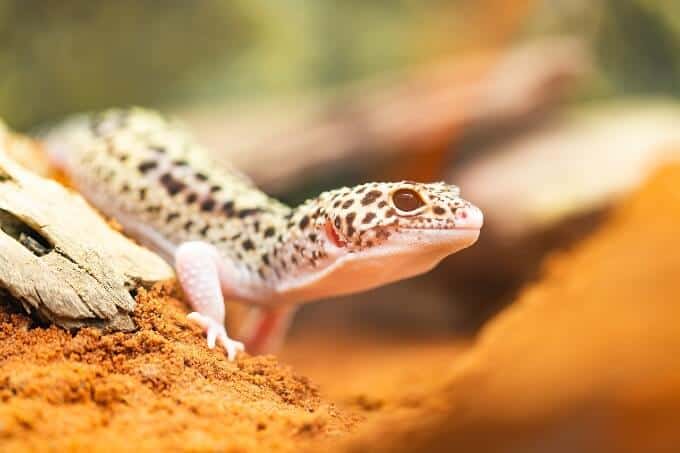
Leopard Gecko in a bowl

What Does A Leopard Gecko’s Diet Look Like? What Do They Eat?

Are you wondering what your Leopard Gecko can and can’t eat? You’ve come to the right place! Feeding these fascinating reptiles the right diet is crucial for their health and well-being. In this guide, we’ll cover the essentials of Leopard Gecko nutrition, ideal feeding schedules, vitamin supplements, and more. By the end, you’ll be ready to provide your gecko with the best care possible.

How Do Leopard Geckos Obtain Nutrition From Food?

Leopard Geckos are carnivores, meaning they primarily eat insects. Their simple digestive system includes a stomach and intestines. When they eat, food enters the stomach and is mixed with digestive juices to break it down. As the food passes through the intestines, nutrients are absorbed into the bloodstream.

Calcium and vitamin D3 are especially important for Leopard Geckos. They obtain calcium from foods like crickets and mealworms, which is then absorbed during digestion. Vitamin D3, which is produced when they are exposed to UVB lighting, is crucial for calcium absorption. This nutrient absorption process supports their bone health and overall well-being. Female geckos, in particular, need extra calcium for egg-laying, making a balanced diet vital.

What Are The Basic Nutritional Needs Of Leopard Geckos?

Leopard Geckos have specific dietary needs that must be met to keep them healthy. As insectivores, their diet needs to be high in protein. Some of the best protein sources include crickets, mealworms, and waxworms. Fat is also important for their diet—it provides energy and helps maintain healthy skin and scales. Mealworms and waxworms are good sources of fat, but they should be fed in moderation due to their higher fat content.

Fiber is another essential component, which supports digestion and prevents constipation. While fruits and vegetables can provide fiber, they should be given sparingly as treats, not as a main food source. Additionally, calcium and vitamin D3 are crucial. Calcium supports strong bones and can be provided through calcium-dusted insects, while UVB lighting helps them produce and utilize vitamin D3.

What Can Your Leopard Gecko Eat?

Leopard Geckos primarily eat insects, and there are several options to keep their diet varied and interesting:

  • Crickets: A staple food that is high in protein and readily available. Be sure to gut-load crickets by feeding them nutritious foods before offering them to your gecko.
  • Mealworms: A common choice that is easy to store, though slightly lower in protein than crickets. They are still a valuable part of a varied diet.
  • Waxworms: High in fat, making them an excellent option for geckos needing to gain weight. However, they should be fed sparingly due to their high-fat content.
  • Silkworms and Hornworms: Less common but highly nutritious. Silkworms are rich in protein, while hornworms provide hydration due to their high water content.

Fruits and vegetables can also be given occasionally, but only in small amounts and as treats. It’s important to avoid high-sugar or acidic options, as these can upset their digestive system.

wax worm bedding

Can Leopard Geckos Eat Fruits And Vegetables?

Yes, but with caution. Leopard Geckos are primarily insectivores, so fruits and vegetables should make up only a small part of their diet—no more than 10%. Suitable fruit options include mashed banana, diced papaya, and sliced apricots. For vegetables, try chopped spinach, grated carrots, and diced bell peppers. Always avoid citrus fruits and other high-sugar or acidic foods, as they can cause digestive issues.

Should I Add Supplements To My Leopard Gecko’s Diet?

While a varied diet is important, supplements can help fill nutritional gaps. Calcium and vitamin D3 supplements are particularly crucial. Calcium supports strong bones, while vitamin D3 is necessary for calcium absorption. These supplements can be provided in powdered form and should be dusted on insects regularly. Multivitamins may also be useful to ensure your gecko receives all necessary nutrients, but always follow the dosage instructions carefully to avoid over-supplementing.

How Often Should You Be Feeding Your Leopard Gecko?

How often should you be feeding your Leopard Gecko depends on its age and size:

  • Juveniles: Feed daily due to their higher growth rates and energy needs.
  • Adults: Feed every other day or every two days. Adult geckos have slower metabolisms and do not require daily feedings.

Establishing a consistent feeding schedule helps your gecko develop a routine and ensures they receive adequate nutrition.

How Much Food Should Leopard Geckos Be Fed?

It’s important not to overfeed your Leopard Gecko, as they have small stomachs. Offer only as much food as they can eat in one sitting, usually within 10-15 minutes. This prevents overeating and helps maintain a healthy weight. A varied diet with different insects and occasional fruits or vegetables keeps your gecko healthy and happy.

Can I Give Commercial Food To My Leopard Gecko?

Yes, you can. Commercial foods, including pellets and canned diets, offer convenience and can provide balanced nutrition. However, not all commercial foods are equal, so choose products with high-quality ingredients that meet your gecko’s dietary needs. Look for foods that list real meat or insect protein as the primary ingredient and avoid those with fillers, preservatives, or artificial additives.

Common Feeding Problems And Solutions

Feeding issues can arise, but most are easy to resolve with a little patience and care:

  • Picky Eating: Offer a variety of foods to prevent boredom and encourage eating.
  • Feeding Aggression: Feed multiple geckos separately or provide food in different areas of the enclosure.
  • Constipation: Ensure your gecko has access to fresh water and consider adding moisture-rich foods like fruits or vegetables to their diet.

If feeding problems persist, consult a reptile veterinarian to rule out underlying health issues.

The Bottom Line

Feeding your Leopard Gecko a balanced diet is essential for their health and happiness. Provide a variety of insects, supplement with calcium and vitamin D3, and monitor their eating habits. If you opt for commercial food, choose a high-quality brand that meets their nutritional needs. Remember to stay observant of your gecko’s behavior and appetite to ensure they are thriving. With proper care, your Leopard Gecko will be a vibrant and healthy companion for years to come.
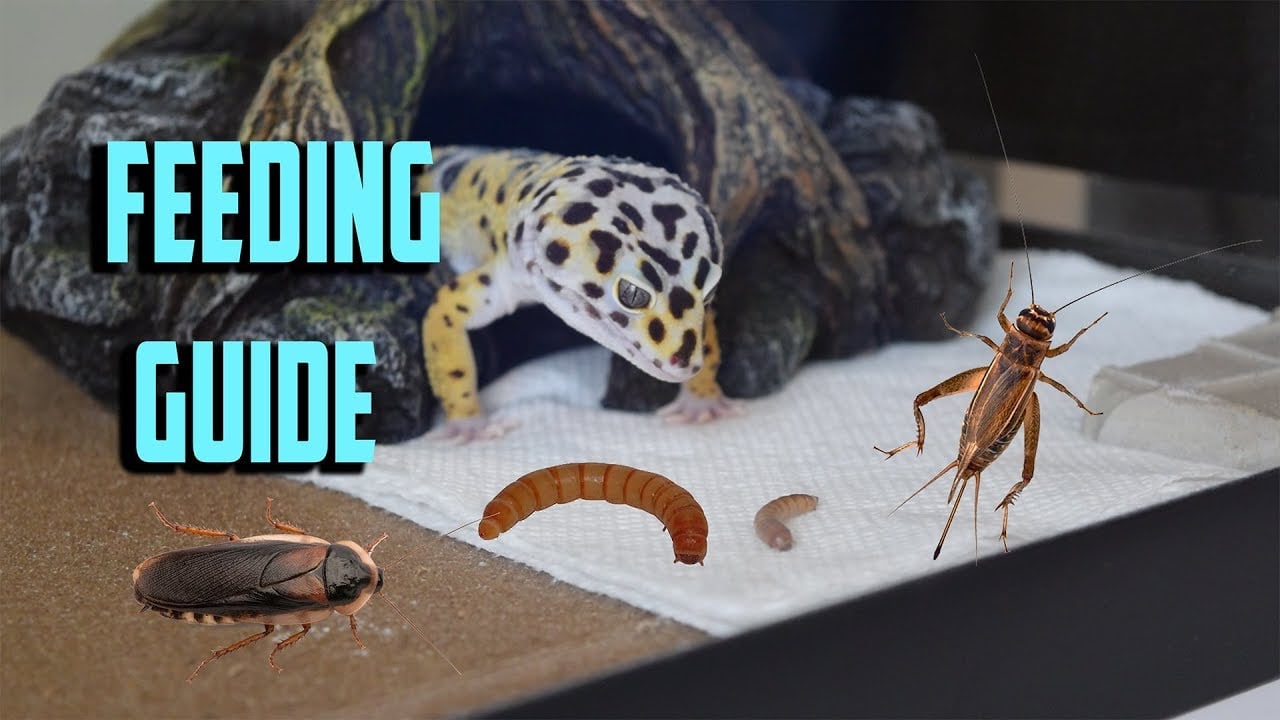

What to FEED your LEOPARD GECKO? Gecko feeding guide!

Sharing is caring!

Leopard Gecko in a bowl

Leopard Gecko Care: Diet, Tank Setup, Lifespan, Size…

Leopard geckos are one of the most popular pet reptiles out there, and it’s not hard to see why.

These lizards are easy to care for, fun to take care of, and quite pretty! That’s why beginners and experts alike all appreciate and enjoy this species.

But it’s very important to know what’s expected of you as an owner before you get one. Even though these are low-maintenance reptiles, there are still a few crucial things you need to know.

This guide will teach you everything there is to know about leopard gecko care. You’ll learn diet, habitat setup, tank size, lifespan, temperature, and a whole lot more!

Species Summary

Leopard geckos (Eublepharis macularius) are a beginner-friendly with a lot to offer any reptile enthusiast.

Easy to care for and full of personality, these lizards are a big part of the reptile trade. They’re also readily available and are one of the more affordable species that help get people into the hobby!

Leopard Gecko standing waiting for food

In the wild, you can find these geckos in parts of the Middle East and northwest India. They inhabit dry areas filled with rocks and dry clay.

Thanks to their natural habitat, these lizards don’t require an over-the-top environment in captivity. They’re easy to please and can provide years of enjoyment for owners of all ages.

Leopard Gecko Lifespan

In captivity, the average leopard gecko lifespan is longer than 15 years when healthy. Many specimens even make it past 20 or 25 years.

These popular pet lizards are very hardy, but they do require optimal care to reach the upper limits of their lifespan. Many make the mistake of thinking that leopard geckos are low-maintenance pets that require little attention. 

While that is true to some extent, you can’t expect these reptiles to live long in subpar conditions with lackluster care. Leopard geckos can experience stress and disease that shortens their lifespan significantly.

Appearance & Colors

The leopard gecko is a beautiful species with some distinct physical features. Their appearance is one of the main reasons for their popularity among reptile-lovers.

At face value, they look like any other gecko. However, this species doesn’t have those iconic sticky toe pads.

Eublepharis macularius climbing on a piece of wood

As a result, you won’t find them climbing up glass walls anytime soon! While they might not have those toes going for them, these geckos do have something that most other gecko species don’t…

Eyelids!

These eyes give them a very sweet and expressive face that can just melt your heart. You really need to see it in person to appreciate the effect it has!

When it comes to the rest of their body, leopard geckos are aptly named for the black or brown spots that cover them from head to toe. These spots sit on top of a yellow or tan base (however, the belly is a light white).

Expert Tip: There are several additional color morphs available as well. You can get solid-colored geckos and even albino ones! These morphs are often easier to find than other species of reptile due to their popularity.

Average Size

The typical leopard gecko size is usually between 7 and 10 inches long when fully-grown.

But larger specimens do exist. For example, the giant leopard gecko can get to be about a foot long!

Expert Tip: Generally, males are an inch or two bigger than females. Their dimensions and overall shape are pretty much the same though.

Leopard Gecko Care

Leopard gecko care is a very rewarding experience! For many enthusiasts, these lizards are their first introduction to the world of reptile-keeping. This is a great choice because they offer a great learning experience for younger enthusiasts.

As with any other pet, keeping these geckos healthy requires you to follow some basic guidelines and requirements. Use the following information to provide the best care possible for your leopard gecko.

Enclosure & Tank Size

One great thing about leopard gecko care is that these reptiles don’t need a huge enclosure. In fact, living in a habitat that’s too big right off the bat may cause unwanted stress.

A single leopard gecko will do just fine in a simple 10-gallon terrarium. If you plan on keeping two or three, just provide about 10 gallons of space per gecko.

You want to focus more on the width of the enclosure rather than it’s height. A wider habitat makes it easier to create a temperature gradient.

A good enclosure will measure about 36 inches wide, 24 inches deep, and 24 inches tall.

Expert Tip: A simple glass terrarium with a wire mesh top works well. Alternatively, you can use a vivarium-style habitat with front swinging doors and large top vents.

Ideal Habitat Setup

Leopard geckos are pretty easy to keep happy. They don’t need much!

This makes their habitat setup easy to manage. As long as you cover the basics, these lizards will be just fine.

At the bottom of the enclosure, you should have a layer of a simple substrate.

Use reptile carpet, coconut fiber, or simple newspapers. Sand is not recommended, as the lizards can ingest it and experience intestinal issues. The same goes for wood shavings that could cut the gecko’s feet.

Expert Tip: You can use a clay soil mix, but you’ll need to feed them in a separate container to avoid any accidental consumption.

As for decorations, you can implement simple items like rocks, pieces of logs, and artificial decor. Plants and climbing branches are unnecessary.

A Leopard Gecko basking inside the perfect tank setup

However, what is necessary for their tank setup is a hide box. This will provide an immense amount of comfort and security to your leopard gecko throughout the day, so don’t forget this!

Add a couple of different hide boxes throughout the environment. Keep one on the warm side of the enclosure and one on the cool side.

You should also have a humid hide box. Add some damp sphagnum moss in the box so that the geckos can use this high-humidity area when they need some shedding assistance.

Molded plastic boxes work fine. You can also use wooden homes or even disposable cardboard boxes.

Temperature & Lighting

Like other reptiles, leopard geckos self-regulate their temperature. They do this by moving through a carefully crafted temperature gradient!

Because of this, one side of the enclosure needs to be warmer than the other so that they gecko can move about to get comfortable.

To start, install a basking lamp on the warmer side. Temperatures in this area should be around 90 degrees Fahrenheit.

On the opposite side, use lights to keep ambient temperatures around 75 degrees.

Leopard geckos can tolerate temperatures as low as 70 degrees. Use a heat emitter to keep the enclosure about 70 degrees at night.

These reptiles are largely nocturnal. They are most active at dusk and dawn. However, they may not do a whole lot during the day.

Expert Tip: Because of this, UVB light isn’t an absolute necessity. However, we recommend providing some UVB light exposure to be on the safe side. Even a small amount of UVB exposure can make a positive impact on your gecko’s health.

This is especially true if the enclosure doesn’t have access to natural sunlight. Keep it on for 10 to 14 hours every day so that the gecko can use it as they need.

Humidity

Leopard geckos will not tolerate a ton of humidity. However, they still need a bit of it to stay healthy and promote shedding.

Ideally, humidity levels should be between 30 and 40 percent at all times. Anything above or below this could be problematic. Use a hygrometer to check on the levels regularly.

If you need to raise the humidity you can do additional misting and include some moist moss or a moist substrate in their habitat. To lower the humidity, increasing the amount of ventilation and airflow will help significantly.

We highly recommend investing in a high-quality hygrometer to make sure you’re getting accurate readings throughout the day. An inaccurate tool can cause you to make unnecessary changes to the humidity levels (potentially harming your leopard gecko).

Water

Keep a small dish of clean water in the enclosure at all times. This dish will help to maintain humidity levels throughout the day and give your leopard gecko a place to drink and soak when needed.

Make sure to check on the dish multiple times throughout the day. If it gets dirty, wash it out and replenish it to avoid any bacterial problems. This is one of the easiest ways to prevent unwanted health complications, so make it a habit!

Food & Diet

The ideal leopard gecko diet should mostly consist of insects. These geckos like mealworms, crickets, waxworms, and even cockroaches and grubworms.

We recommend making crickets the main diet staple. Fattier insects, like waxworm, mealworms, and grub worms should be saved as an occasional snack.

Make sure that all insects are gut loaded first to ensure that your geckos are getting the nutrients they need from their food. To make things easy, you can purchase gut-loaded insects at most pet stores.

It’s also a good idea to dust the insects with calcium and vitamin D3 supplements every other feeding.

Expert Tip: You can feed adults every two or three days. However, juveniles will usually benefit from lighter daily feedings.

Possible Health Issues

Despite their hardiness, leopard geckos can experience several health issues.

One unique issue is unhealthy weight gain. When these lizards become overweight, they can suffer from internal problems.

Externally, they might start storing fat and nutrients in bubbles around the arms. If this happens, limit your lizard’s diet a bit and those bubbles should go away as they slim down.

A Leopard Gecko with an uncommon color

When these reptiles don’t get enough exposure to UVB light, they’re at risk for metabolic bone disease. Without UVB light, the reptile’s body isn’t capable of metabolizing calcium for the bones. As a result, their bones become brittle and easy to break.

Younger geckos may also suffer from spinal issues or growth deformities. Make sure to provide access to UVB light during these crucial growing years!

Leopard geckos are also at risk for ailments caused by issues with their enclosure. When the humidity levels are too low, these geckos can develop dysecdysis, which results in dry skin, vision problems, and even a loss of appetite.

Too much humidity will lead to respiratory infections. This causes inflammation, excess mucus, and breathing difficulties. To avoid these problems, use your hygrometer to ensure that you’re keeping humidity levels pristine.

Behavior & Temperament

During the day, most leopard geckos will stay in their hide boxes. You might see them bask out in the warmth occasionally, but most of their activity happens during dusk and dawn.

These reptiles are slow-moving, but that doesn’t mean that they’re boring by any means!

They can actually socialize with humans quite well and communicate through squeaks. You might hear them chirping when they get hungry!

It is possible to keep groups of leopard geckos together. However, you must plan the arrangement accordingly to avoid aggression. Males shouldn’t be kept together at all, as they can get territorial and fight.

Oftentimes, males will wave their tales before going into battle. You might see them rattling their tails like a snake as well. If you see any of this, you must separate your geckos as soon as possible.

Expert Tip: Male and female pairs do well together, but these lizards are quick to breed. If you don’t want to have a ton of babies to care for, stick with female geckos!

Handling Tips

Leopard geckos are quite docile. They rarely ever bite humans. (their teeth don’t hurt that much anyway).

They typically don’t mind handling, but you have to be able to read your lizard and gauge their mood.

These geckos can get stressed with overhandling, so always watch them for feedback. If they start trying to escape your grasp, place them back into their enclosure.

It’s important to give the gecko some time. They will get more comfortable the longer you care for them. Just don’t push their boundaries and you shouldn’t have any issues handling them.            

Conclusion

Overall, leopard gecko care is pretty darn easy. As long as you’re consistent and look after them on a daily basis, these lizards will thrive!

If you have any questions that weren’t answered in this care sheet (or have any interesting facts you’d like to share), simply reach out to us via the contact form on our site. We always enjoy hearing from our readers and giving them a hand when we can.