As a sulcata tortoise owner, you probably know these gentle giants can be demanding when it comes to their enclosures.
Even if you figure out the right enclosure temperature, size, UVB lighting, and humidity, you’ve still got to lay down a suitable substrate.
With so many options out there, finding the best substrate for sulcata tortoise enclosures can feel overwhelming. Should you use sand or soil bags? Should you buy whatever package the pet store employee recommends?
To answer these questions, we’ll explore the top choices, go over the major no-nos, and check out some tips for creating a slice of sulcata paradise!
Factors to Consider Before Choosing an Enclosure Substrate
The African Spurred Tortoises (Centrochelys sulcata) need a home substrate that ticks all the right boxes.
First, we want a substrate that won’t tempt your pet tortoise to take a bite. Otherwise, your pet will eat the base and struggle with digestive issues.
Next on our checklist is odor control. The material should kill bad smells, keeping your pet’s enclosure fresh. We’re also looking for easy-to-clean options because, let’s face it, spot cleaning beats full substrate swaps any day.
Humid microclimates matter, too. The ideal substrate retains some moisture without becoming waterlogged.
And don’t forget comfort! Your sulcata will spend lots of time in contact with its substrate, so it should feel pleasant and provide a cozy resting surface.
Top Sulcata Tortoise Substrate Options
Let’s find a substrate that’ll leave your shelled friend feeling right at home.
1. Cypress Mulch
Cypress mulch is a popular choice among sulcata tortoise lovers, and for good reason!
It’s absorbent and won’t break the bank. Plus, it’s readily available, making it a convenient option for many pet owners.
However, like any substrate, it’s not without its quirks.
Some tortoise owners report that it can invite unwanted bugs into the enclosure. It also tends to be slightly dry, so you’ll need to keep a close eye on the ambient humidity levels under the heat lamp.
Another thing to watch out for is the pokey bits. The mulch pieces aren’t always uniform. Some might be too large or sharp for comfort, especially for a baby tortoise or hatchling.
The smell can be a bit swampy as well, but your sulcata tortoise won’t complain. Still, some folks mix the mulch with other substrates and bake it (yes, in the oven!) to create a custom blend.
2. Coconut Coir
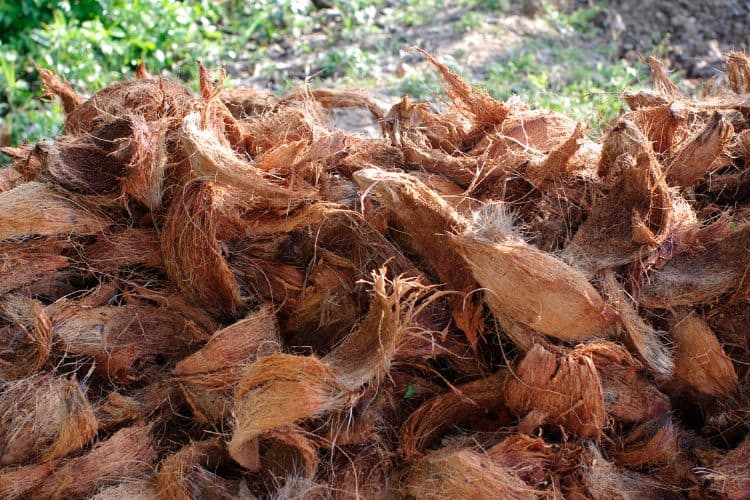
If you’re looking for an all-natural option that’s easy to store and prepare, coco coir bricks might be your new best friend.
These bricks are made primarily from coconut fiber that should be rehydrated before use. All you need to do is add decent amounts of water and wait for the brick to expand.
One of the biggest perks? Coconut husk products are excellent at absorbing odors. However, the coir can be a bit dusty and messy.
3. Orchid Bark
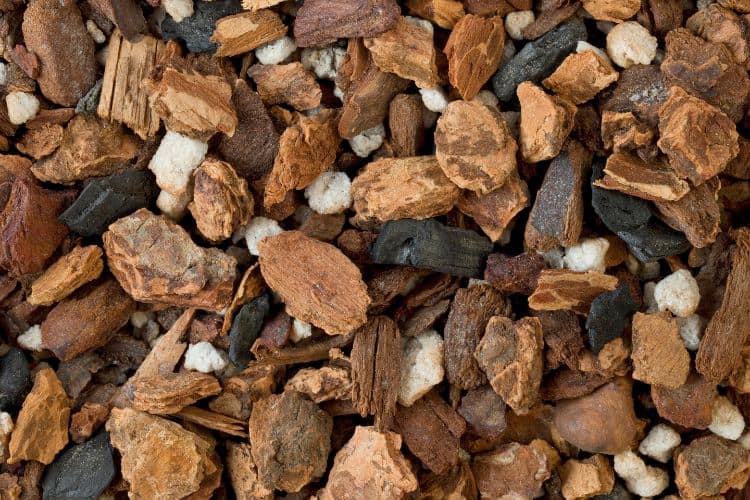
Orchid bark (or fir bark) might be the holy grail of sulcata tortoise substrates. Fine-grade orchid bark, in particular, is a favorite among experienced keepers.
Why? Well, it’s affordable and retains moisture well. It’s also easy to clean and provides a comfortable surface for your tortoise to walk on.
4. Natural Substrate
At some point, you’ll have to move your sulcata tortoise from the indoor enclosure to an outdoor tortoise pen. We’re talking about one of the largest tortoise species, after all.
In this case, an organic soil mix in the pen can do the trick. For one, the dirt provides warmth while allowing your pet tortoise to engage in natural digging behaviors. It’s also an environmentally sustainable choice, which is always a bonus.
Watch out; sulcata tortoises are master escape artists!
They’re a burrowing species and can tunnel their way to freedom out of the outdoor enclosure if given the chance. Make sure your outdoor pen has secure fencing that extends well below the surface.
Substrates to Avoid in Your Tort Housing
We all want to provide the ideal environment for our shelled friends, but some substrates can pose risks to their health and well-being.
First on our “no-go” list are wood chip-based substrates. While they might seem like a natural choice, these can be a recipe for disaster.
Sulcata tortoises, being curious creatures, might mistake these chips for food. If ingested, wood chips can cause blockages in their digestive system. These blockages can then lead to fatal complications.
It’s simply not worth the risk!
Similarly, you’ll want to steer clear of bark and walnut shells. These materials are often small enough to be eaten accidentally.
Now, let’s talk about the great sand debate. This is where things get a bit controversial in the sulcata tortoise community.
Some keepers swear by a mix of sand/topsoil with a bit of cypress mulch (or orchid bark) for texture. They argue that these blends closely mimic the tortoise’s natural habitat and encourage digging.
On the flip side, many experienced sulcata tortoise lovers warn against using sandy soil altogether. Their concern? You got it—impaction. Sand particles are small and can easily be ingested (scientists call that geophagy).
9 Expert Tips for Substrate Success
Before ordering a bag of substrate for your sulcata tortoise, check out these nifty tips:
1. Mix It Up
Who says you can’t have the best of all worlds? Combining different substrates can create the perfect environment for your sulcata tortoise.
For instance, you could layer coconut coir with orchid bark for a clean, comfortable base.
2. Keep It Clean, Keep It Healthy
You’ll want to spot clean daily. Throughout cleanses? Try to do those at least once a week.
This routine will help prevent disease and keep your sulcata tortoise’s home fresh and inviting.
3. Embrace the Messy Drinking Water Dish
Don’t fret if you find substrate in your tortoise’s water dish. It’s a good sign!
Sure, a pristine water bowl might look nice. But wouldn’t you rather know that your tort is hydrated?
You’ll need to rinse and refill it with fresh water more frequently, though.
4. Humidity Is Key
Sulcatas thrive in environments with 45-50% humidity (check out our sulcata tortoise care sheet for more details).
To maintain the ideal humidity for your sulcata tortoises, mist the enclosure regularly with a spray bottle. Yes, that’s pretty much what you would do to control humidity for a bearded dragon.
Either way, the misting frequency will depend on your setup. You might need to spray multiple times daily if you’re raising a sulcata hatchling on an open-top tortoise table.
Some keepers use humidifiers or keep the substrate under the hide damper than the surrounding areas. So, you’ll likely need to experiment (while keeping an eye on the hygrometer) to find what works best for your setup.
5. Don’t Just Toss in the Substrate
Don’t dump in the substrate and call it a day. An ideal enclosure should have large, flat rocks. The torts will use it to file down their nails. Plus, it’ll double as a feeding tray.
It’s also useful to include hides at both the cold and hot spots of a larger enclosure. This way, you can keep your sulcata tortoise happy and comfortable, regardless of where she decides to sit.
Then, feel free to get creative with cardboard boxes and plants to create a stimulating environment.
6. Mind the Minerals
Some folks believe that mineral deficiency is to blame when an adult sulcata tortoise nibbles on rocks or substrate material. You could fix this issue with supplements and balanced nutrition.
That said, we recommend consulting a vet before using supplements or doing any major diet changes.
7. Ask About the Substrate BEFORE You Adopt
If you’re in the market for a sulcata tortoise, do your homework on breeders first. Avoid those who start babies in dry substrate conditions or keep them outdoors all day without soaks.
A reputable breeder won’t just advise you on the right substrate. They’ll also follow their own advice and use appropriate substrate from day one!
8. Source Smart
Always check the label and avoid products with additives or toxic chemicals. You don’t want to take any risks here and hurt your pet sulcata tortoise (unintentionally, of course).
9. Take Pet Store Advice With a Grain of Salt
While pet store employees can be helpful, remember they’re not necessarily tortoise experts. They deal with many different animals and might not be up-to-date on the specific needs of this species of tortoise.
But that’s not the only issue. Sometimes, employers encourage them to push the products that the store carries. So, they might not always have your tort’s best interests at heart.
Home Sweet Home
Maybe you’ll opt for cypress mulch or coconut husk substrates. Perhaps you’ll choose orchid bark. Either way, the key is to clean regularly and maintain optimal humidity levels.
Don’t be afraid to experiment with combinations to find what works best for your gentle giants.
Here’s to many wonderful years with your sulcata tortoises in their perfectly substrated home!